Manor branch · Generation 5 · ID I25
Julius Manore / Menard
1851-05-11 – 1933
Facts
- Born
- 1851-05-11
- Birthplace
- St. Alphonse de Rodriguez, Joliette Co., Quebec, Canada
- Died
- 1933
- Place of death
- River Rouge, Wayne Co., MI
Relationships
- Father Julien Maximilien Menard
- Mother Marie Ladouceur
- Child William Joseph Manor / Manore
Research notes
Confirmed: Julien Menard, born 1 May 1851 at St-Alphonse de Rodriguez; married Helen Bauley in 1875; lived in Berlin Twp, Monroe Co., MI and River Rouge, Wayne Co., MI.
Life and times
General historical context. This section describes the times and places this person lived in. It is not documented fact about them; “likely” means just that.
Places
- Saint-Alphonse-Rodriguez, Joliette County, Quebec, Canada 1851-ca. 1870
- Berlin Township, Monroe County, Michigan, USA ca. 1870-ca. 1915
- River Rouge, Wayne County, Michigan, USA ca. 1915-1933
What was happening
- 1860 The French-Canadian Exodus ('La Grande Hémorragie') · Quebec, Canada and Northern USA
Facing rural overcrowding and scarce farm acreage in Joliette County, Julius would have likely been influenced by this widespread migration wave to cross the border into the United States. Source - 1875 Agricultural Drainage and Settlement in Monroe County · Monroe County, Michigan, USA
Marrying Helen Bauley in 1875, Julius would have likely taken advantage of drained marshlands and expanding fruit and grain markets near Lake Erie. Source - 1893 The Panic of 1893 · Michigan and the Great Lakes Region, USA
As a Monroe County farmer and laborer, Julius would have likely experienced economic hardship as Detroit-area industrial markets contracted and produce prices fell. Source - 1917 Construction of the Ford River Rouge Complex · River Rouge and Dearborn, Michigan, USA
Julius's move to River Rouge likely coincided with the rapid transformation of the riverfront into the world's largest automotive manufacturing plant. Source - 1929 Wall Street Crash and the Great Depression in Detroit · Wayne County, Michigan, USA
Living in the shadow of major automotive facilities in River Rouge, Julius would have likely witnessed severe urban unemployment and community distress during his final years. Source
In context
Julius Manore (born Julien Menard) lived through a transformative era bridging nineteenth-century French-Canadian agrarian life and twentieth-century American industrialization. Born in 1851 in Saint-Alphonse-Rodriguez, Quebec, he spent his youth in the rugged Laurentian foothills during a period of intense rural overpopulation and land exhaustion. In search of better economic opportunity, he joined the widespread French-Canadian exodus known as 'La Grande Hémorragie,' migrating across the border to southeastern Michigan. By 1875 he had settled in Berlin Township, Monroe County, where he married Helen Bauley and raised a family within a vibrant French-speaking and farming community along Lake Erie. In the early twentieth century, as regional industry exploded around Detroit, Julius moved to River Rouge in Wayne County. He watched the riverfront dramatically transform from quiet marshland into the industrial powerhouse of the Ford River Rouge Complex. Navigating the onset of the Great Depression and the challenges of urban factory towns, Julius lived to age eighty-one, passing away in River Rouge in 1933.
Pictures from their world
Public-domain and openly licensed images of the places and times this person lived in. None are photos of this person; documents are period examples only.
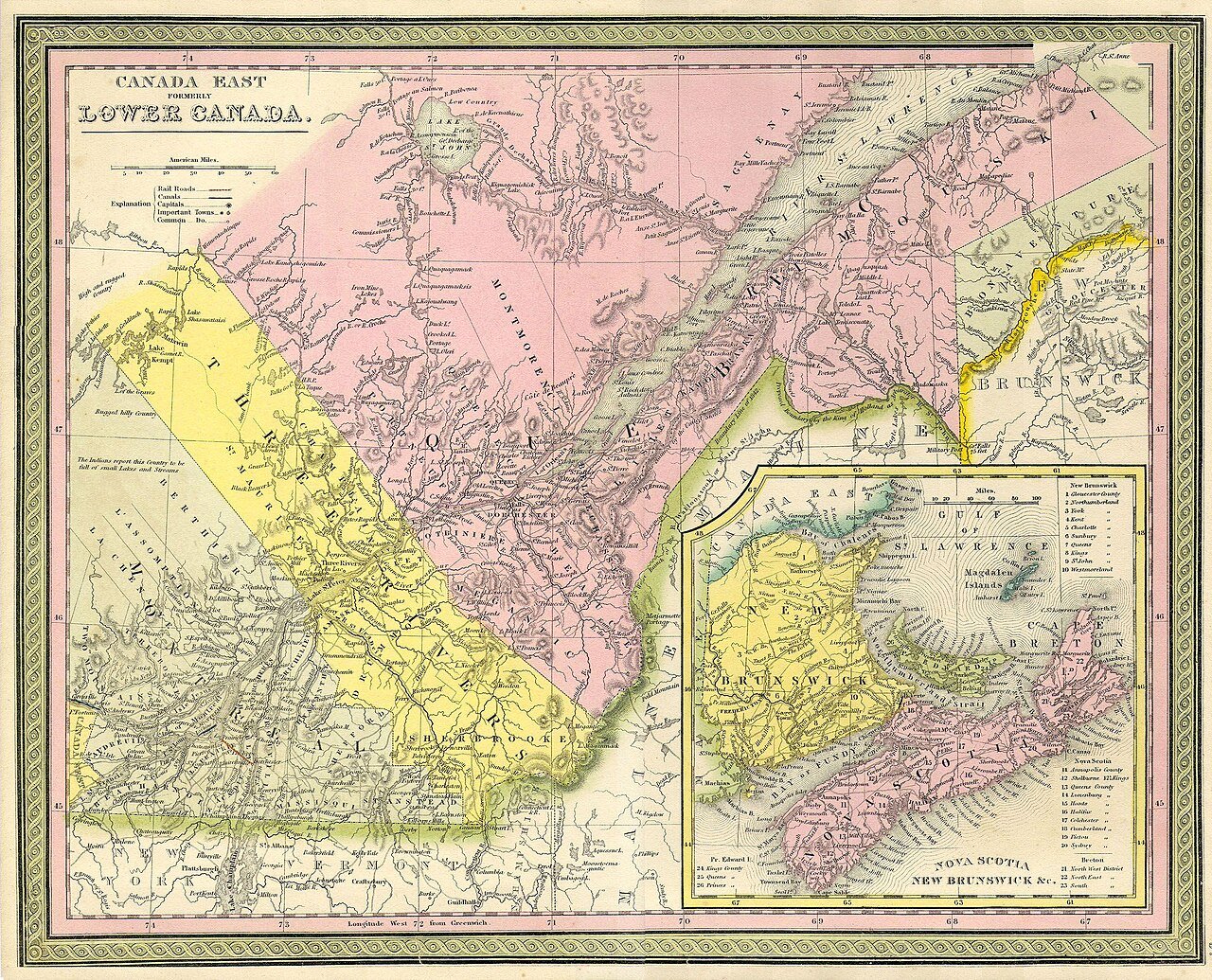
Detailed 1850 engraved map of Eastern Canada showing counties, townships, and seigneuries along the Saint Lawrence and Laurentian foothills, including Joliette and Berthier.S. Augustus Mitchell (1792-1868), 1850. Public domain. Source

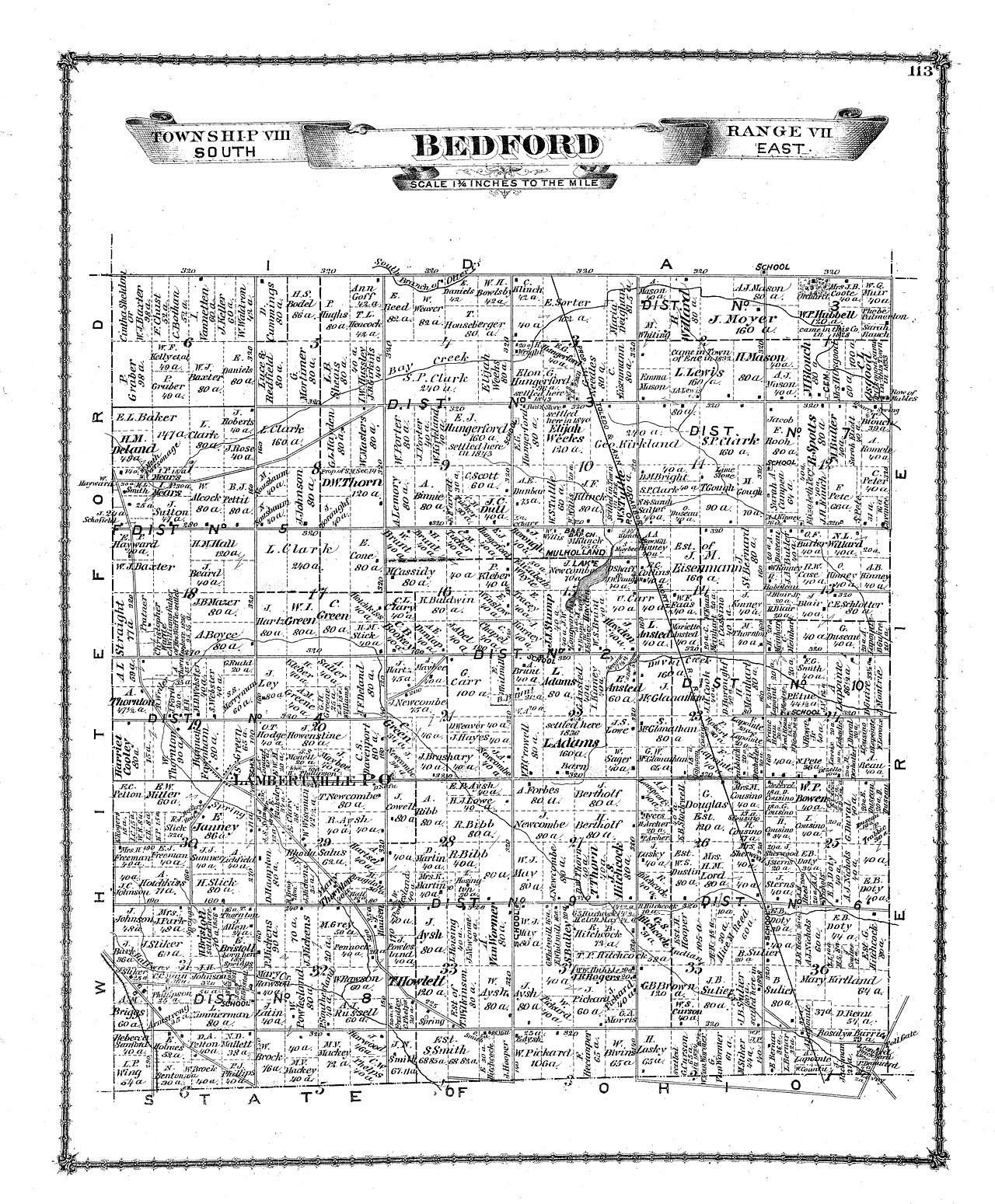
Plat map from the 1876 Beers County Atlas of Monroe, Michigan showing farm section divisions, rural roads, drainage ditches, and landowner holdings near Lake Erie.Beers, Ellis & Soule / County Atlas of Monroe, Michigan, 1876. Public domain. Source

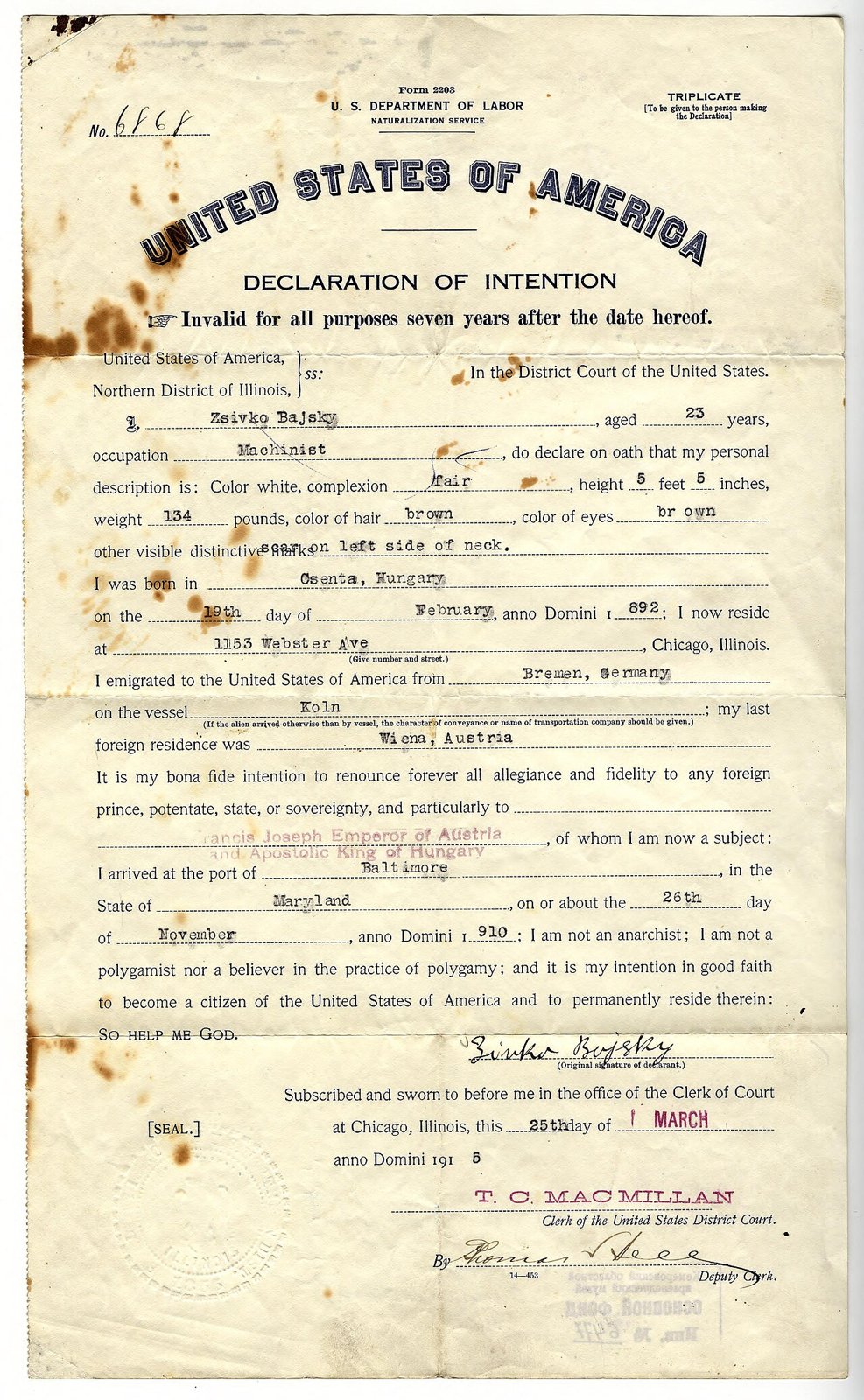
Period example — illustrative, not this person’s record
Shown as a period example of the kind of record or publication of the time; it is not a record of this person or family. Department of Labor Naturalization Service Declaration of Intention document with legible printed and typewritten text recording immigrant biographical data, foreign allegiance renunciation, and arrival details.United States Department of Labor, Naturalization Service / National Archives, 1915-03-25. Public domain. Source

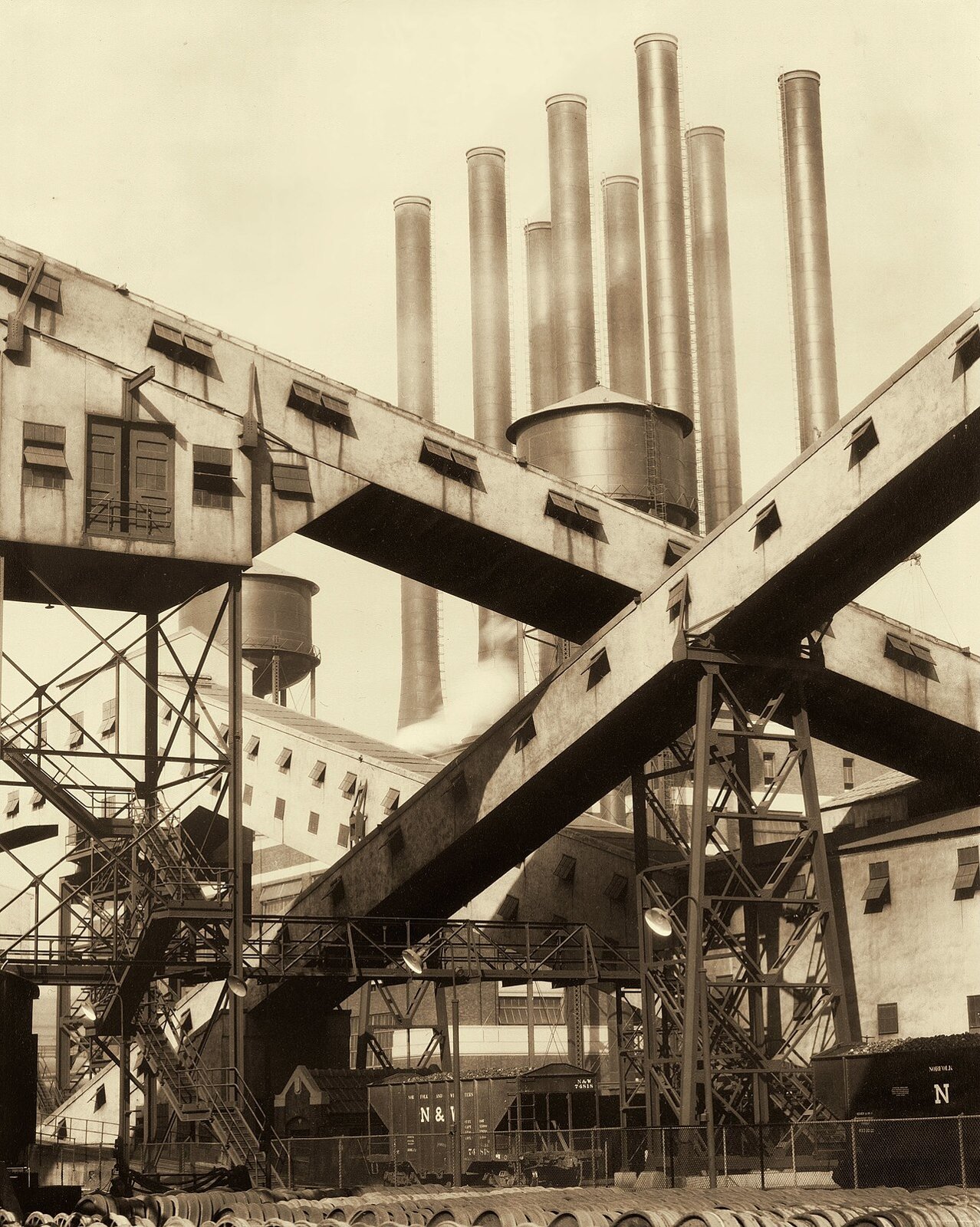
Celebrated industrial photograph by Charles Sheeler showing coke and coal transfer conveyors, blast furnaces, and stacks at the Ford Motor Company River Rouge plant in November 1927.Charles Sheeler, 1927. Marked public domain on Wikimedia Commons; license not fully verified. Source

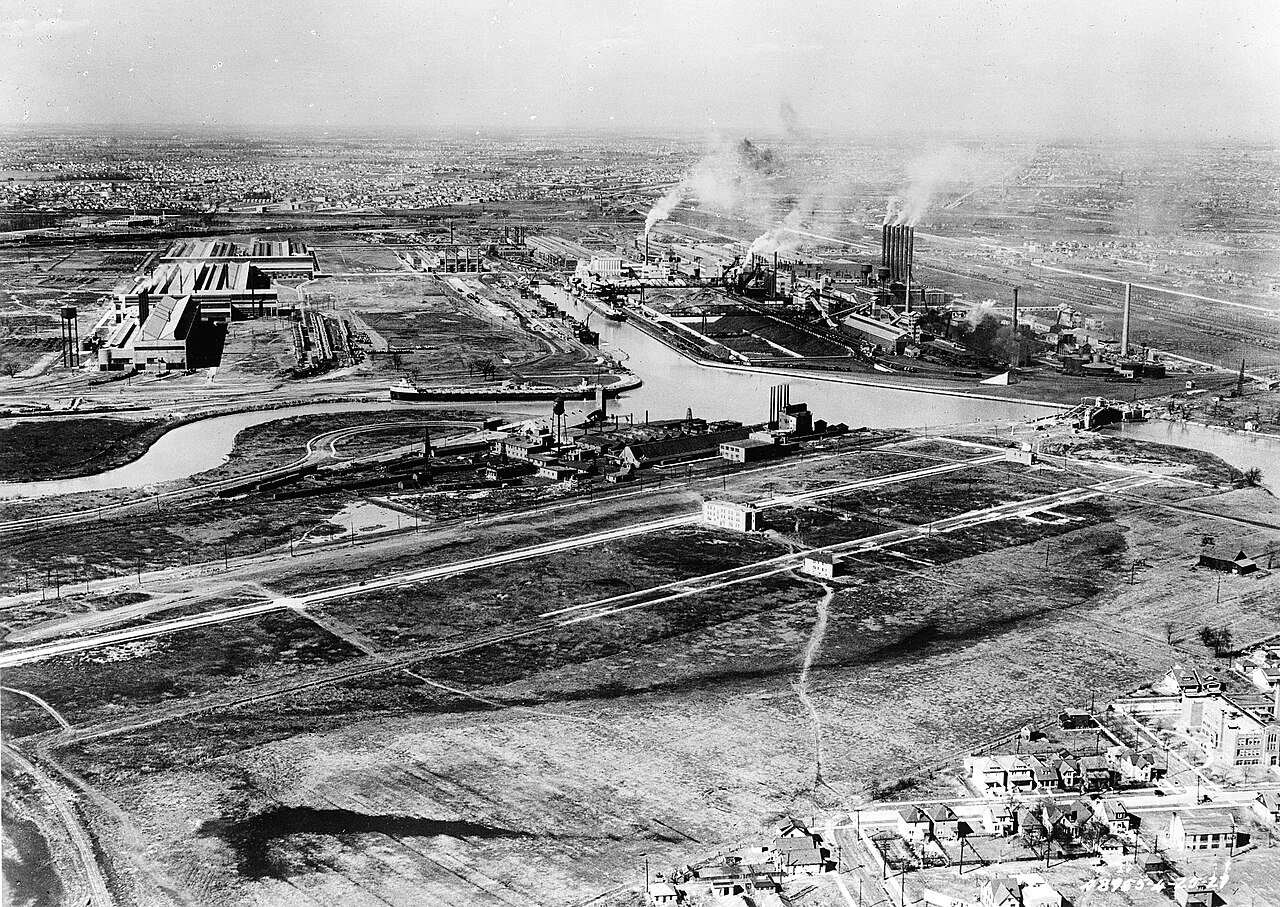
Historic aerial perspective of the River Rouge industrial district showing turning basins, ore shipping docks, assembly buildings, and connecting rail yards.Library of Congress Prints and Photographs Division, 1927. Public domain. Source
