Kloepping branch · Generation 5 · ID I27
Frederick C. Kloepping
1860-09-19 – 1937-12-07
Facts
- Born
- 1860-09-19
- Birthplace
- Rock Grove, Stephenson Co., IL
- Died
- 1937-12-07
- Place of death
- Lexington, Dawson Co., NE
- Burial place
- Buffalo Grove Presbyterian Church Cemetery, Dawson Co., NE
Relationships
- Father Wilhelm Klöpping (born Kuhlmann / Leweke)
- Mother Anna Marie Wilhelmine Louise (Louisa) Bracht
- Spouse / co-parent Susan Hadassah Cain
- Child Burrell Kloepping
Research notes
Confirmed: born 19 Sep 1860 in Rock Grove, Stephenson Co., IL; married Susan Hadassah Cain on 1 Oct 1881; homesteaded in Dawson Co., NE (Plum Creek) in 1886; died 7 Dec 1937.
Life and times
General historical context. This section describes the times and places this person lived in. It is not documented fact about them; “likely” means just that.
Places
- Rock Grove, Stephenson County, Illinois, USA 1860-1886
- Lexington, Dawson County, Nebraska, USA 1886-1937
What was happening
- 1886 Platte Valley Homestead Settlement Wave · Dawson County, Nebraska, USA
Frederick likely utilized federal homestead and timber claim provisions when moving his young family from Illinois to claim farmland in Dawson County. Source - 1889 Renaming of Plum Creek to Lexington · Lexington, Dawson County, Nebraska, USA
Frederick would have likely witnessed his local rail depot and market town modernize its frontier identity into an established agricultural trading center. Source - 1894 Devastating Nebraska Drought and Corn Crop Failure · Dawson County, Nebraska, USA
As an early homesteader, Frederick would have likely lost his harvest to the extreme summer heat and faced urgent decisions regarding livestock survival. Source - 1917 World War I Agricultural Boom and Mobilization · Dawson County, Nebraska, USA
Frederick likely expanded crop production to meet surging wartime demand for wheat and corn while seeing his sons register for the national draft. Source - 1920 Post-World War I Agricultural Price Collapse · Midwestern United States
Frederick would have likely contended with falling grain prices and tightening rural credit across Nebraska as wartime agricultural subsidies abruptly ended. Source - 1934 Dust Bowl and the Great Depression · Dawson County, Nebraska, USA
During his elderly years on the farm, Frederick would have likely endured intense dust blizzards and severe economic depression across the Platte Valley. Source
In context
Frederick C. Kloepping was born in northern Illinois on the eve of the American Civil War, the child of German immigrant homesteaders. Raised on a farm in Stephenson County, he learned prairie agriculture during the boom years of post-war railroad expansion. In 1881 he married Susan Hadassah Cain, and in 1886 he joined the westward tide of settlers staking claims in central Nebraska. Arriving in Dawson County when the area was still known as Plum Creek, Frederick established a farmstead along the fertile Platte River Valley. His lifetime in Nebraska mirrored the turbulent trajectory of Great Plains agriculture. He endured the devastating drought of 1894, which wiped out regional crops, before building a stable grain and livestock operation that benefited from early twentieth-century irrigation developments and the World War I farm boom. In his final decade, Frederick weathered the collapse of crop prices and the suffocating dust storms of the Great Depression, remaining rooted in Lexington until his death in December 1937.
Pictures from their world
Public-domain and openly licensed images of the places and times this person lived in. None are photos of this person; documents are period examples only.
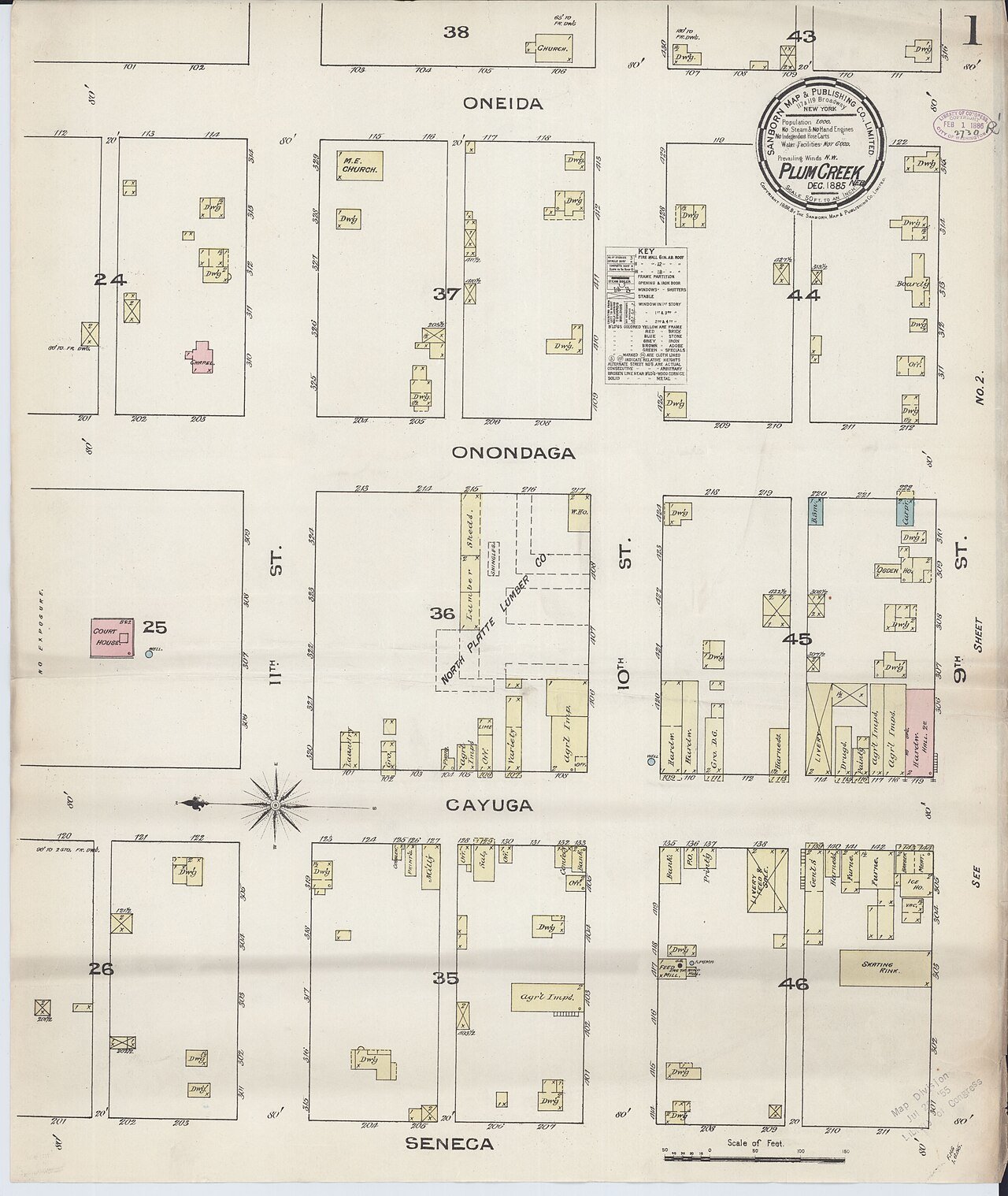
Period example — illustrative, not this person’s record
Shown as a period example of the kind of record or publication of the time; it is not a record of this person or family. Detailed street-level fire insurance map of Plum Creek (renamed Lexington in 1889), showing the Union Pacific depot, grain elevators, lumber yards, and early business district.Sanborn Map Company / Library of Congress Geography and Map Division, 1885-12. Public domain. Source

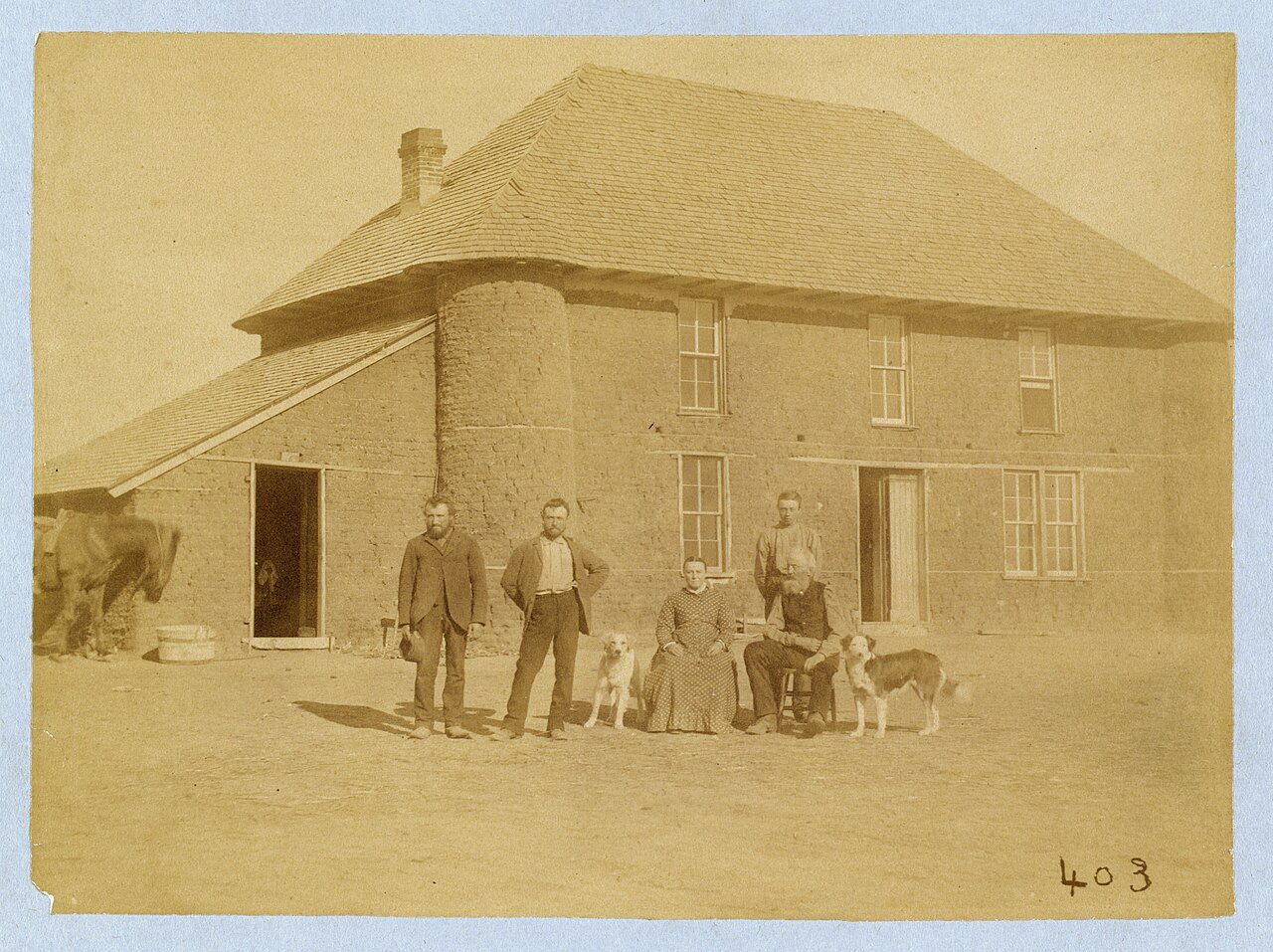
Rare two-story pioneer sod residence and farmstead on the central Nebraska plains, photographed by Solomon D. Butcher in 1886.Solomon D. Butcher (1856-1927) / Library of Congress, 1886. Public domain. Source

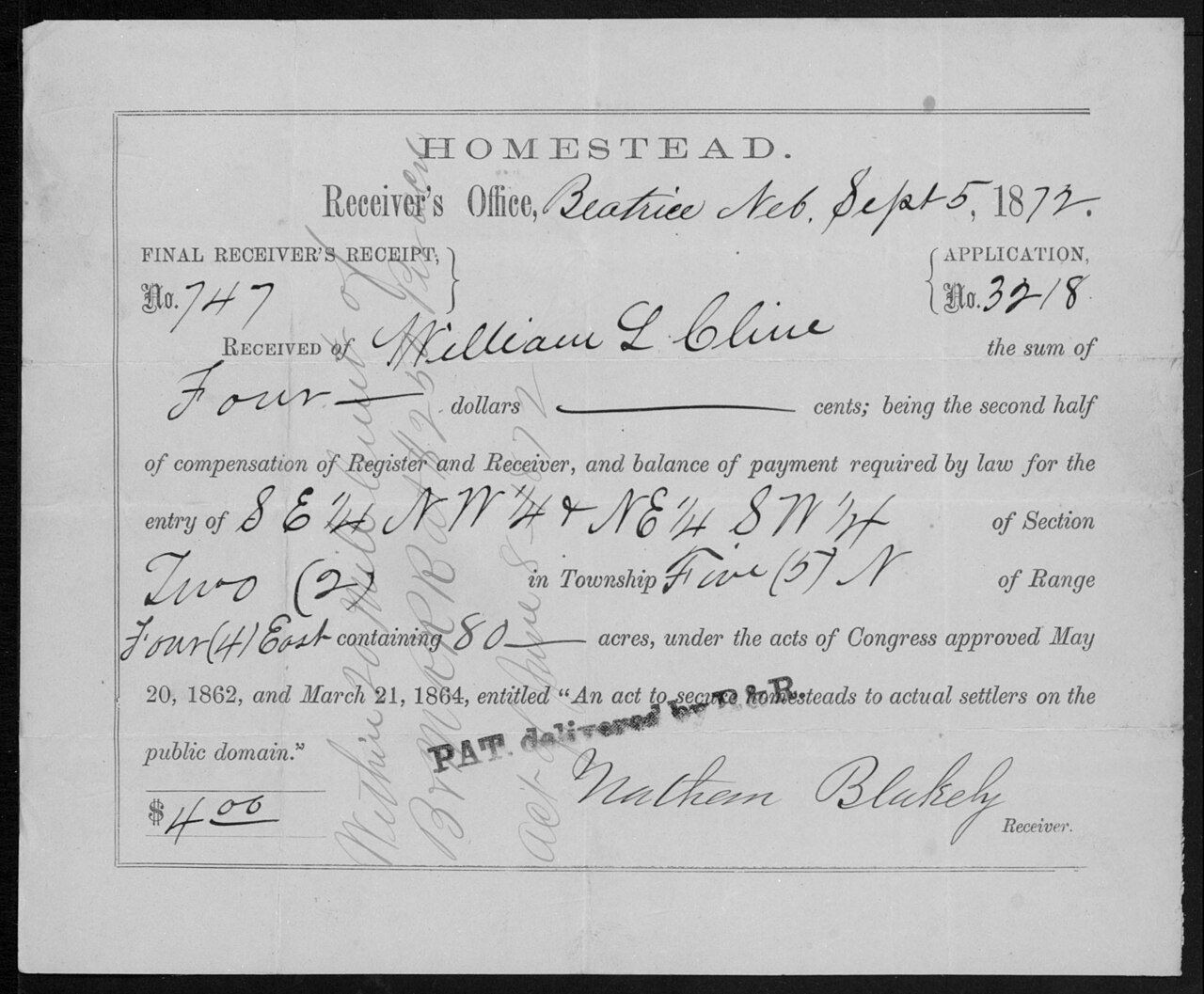
Period example — illustrative, not this person’s record
Shown as a period example of the kind of record or publication of the time; it is not a record of this person or family. General Land Office certificate documenting completed five-year residency, cultivation proof, and patent issuance under the Homestead Act for a Nebraska tract.General Land Office / Department of the Interior / DPLA, 1872-09-05. Public domain. Source

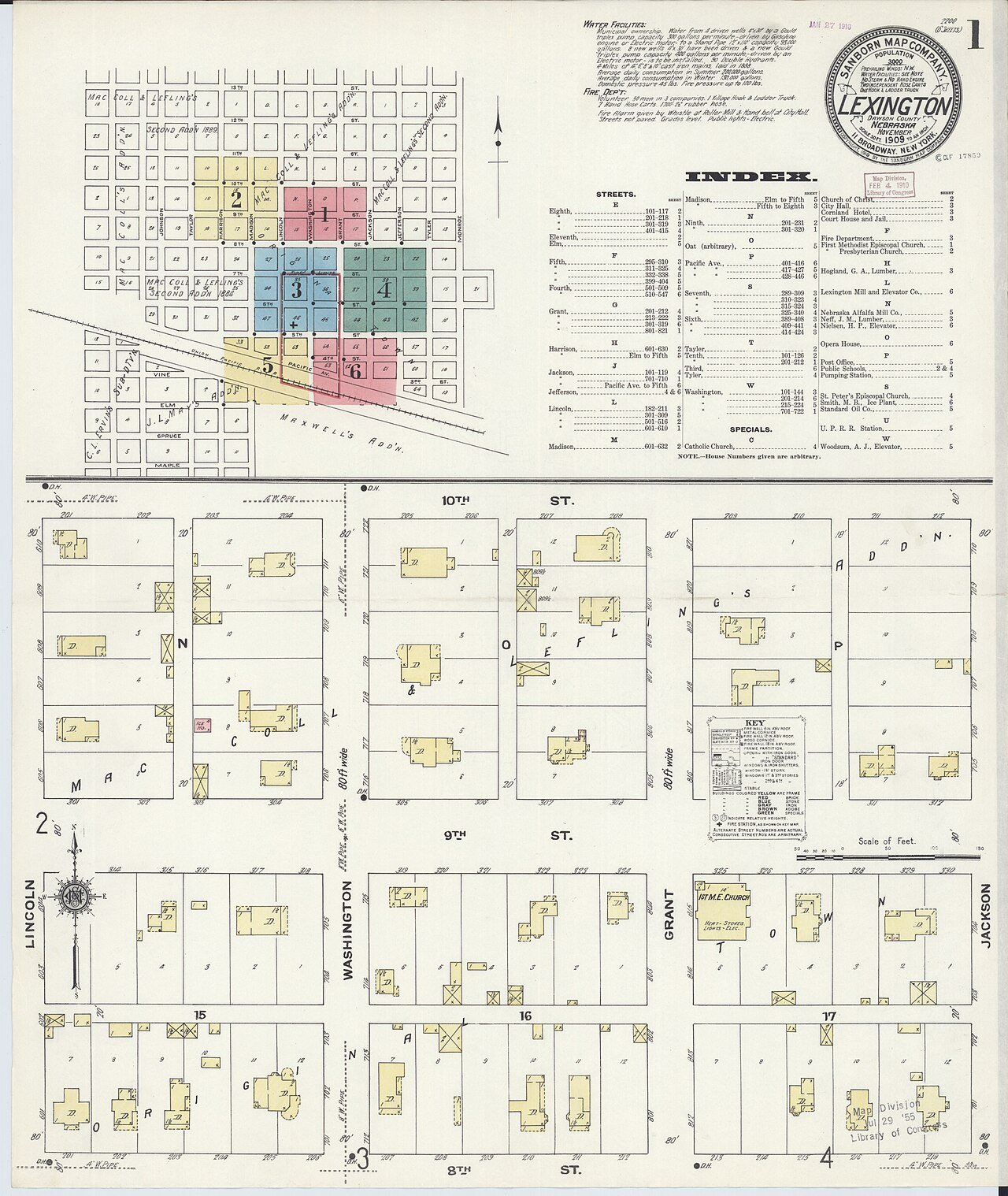
Period example — illustrative, not this person’s record
Shown as a period example of the kind of record or publication of the time; it is not a record of this person or family. Fire insurance map sheet of Lexington, Nebraska in November 1909, documenting civic development, commercial storefronts, and rail shipping facilities two decades after the town's renaming.Sanborn Map Company / Library of Congress Geography and Map Division, 1909-11. Public domain. Source

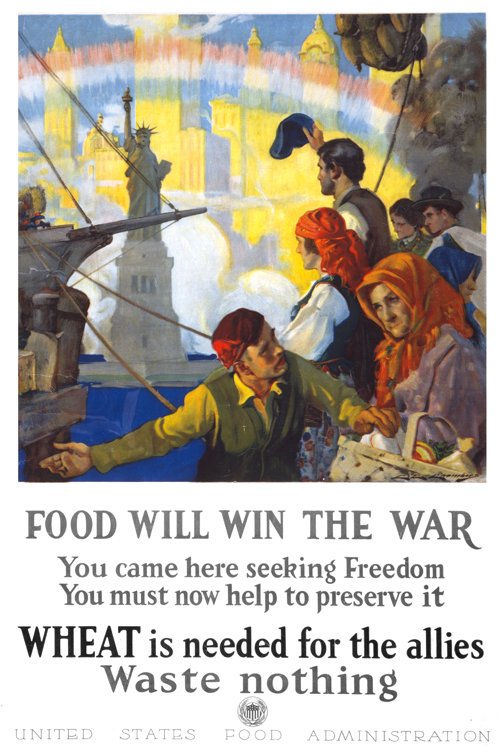
World War I color lithograph poster by Charles E. Chambers for the United States Food Administration urging American farmers and households to produce and conserve food supplies.Charles E. Chambers (1883-1941) / United States Food Administration, 1917. Public domain. Source
