Kloepping branch · Generation 5 · ID I31
Charles C. Williams
1852 – 1908
- Newly added by the research expansion; not yet independently re-checked
Facts
- Born
- 1852
- Died
- 1908
Relationships
- Marriage Martha Anna McCance (m. 1882-02-16, Cass Co., MO) → Martha Anna McCance
- Child George Howe Williams
Research notes
Father of George Howe Williams. Married Martha Anna McCance in Missouri; homesteaded in Dawson County, NE.
Life and times
General historical context. This section describes the times and places this person lived in. It is not documented fact about them; “likely” means just that.
Places
- Cass County, Missouri, USA ca. 1870-ca. 1885
- Willow Island and Cozad, Dawson County, Nebraska, USA ca. 1885-1908
What was happening
- 1873 Panic of 1873 and Western Farm Foreclosures · Missouri and the Midwest, USA
Starting out as a young agrarian laborer in western Missouri, Charles would have likely contended with falling grain prices, rail freight disputes, and tight agricultural credit. Source - 1882 Post-Civil War Agricultural Expansion in Western Missouri · Cass County, Missouri, USA
Marrying Martha Anna McCance in Cass County in 1882, Charles likely participated in the expanding regional grain trade before deciding to seek homestead opportunities in Nebraska. Source - 1886 Transcontinental Rail Settlement along the Union Pacific · Dawson County, Nebraska, USA
Relocating to Willow Island near Cozad, Charles would have likely utilized Union Pacific rail connections to ship livestock and transport homesteading supplies to his central Nebraska farm. Source - 1890 Founding of the Farmers' Alliance in Central Nebraska · Dawson County, Nebraska, USA
As an independent prairie farmer, Charles would have likely taken part in local alliance meetings organized to protest grain elevator monopolies and predatory rail freight rates. Source - 1894 Devastating Drought of 1894 in the Platte Valley · Dawson County, Nebraska, USA
Charles would have likely suffered heavy financial losses and crop destruction when hot southwesterly winds and months of rainlessness ruined cornfields across Dawson County. Source - 1904 Development of Irrigation Canals and Alfalfa in Dawson County · Cozad and Willow Island, Dawson County, Nebraska, USA
In his final years of farming, Charles would have likely welcomed the construction of Platte River irrigation ditches that turned Cozad into a booming center for alfalfa production. Source
In context
Charles C. Williams was a late-nineteenth-century American pioneer whose adult life tracked the agricultural development of the trans-Mississippi West. Born in 1852 in the pre-Civil War era, he spent his young adulthood in western Missouri during the challenging reconstruction years following the Panic of 1873. In February 1882, he married Martha Anna McCance in Cass County, Missouri, beginning a partnership that soon looked toward open land on the western frontier. By the mid-1880s, Charles and Martha joined the steady stream of settlers moving into the fertile Platte River Valley of central Nebraska, claiming land near Willow Island and Cozad in Dawson County. There, Charles engaged in diversified prairie farming and cattle raising alongside the Union Pacific mainline, raising several children including son George Howe Williams. He persevered through the harsh climate extremes of the plains, including the punishing Great Plains drought of 1894 and fluctuating agricultural prices, while witnessing the advent of regional irrigation canal systems that converted central Nebraska into rich alfalfa acreage before his death in 1908 at age fifty-six.
Pictures from their world
Public-domain and openly licensed images of the places and times this person lived in. None are photos of this person; documents are period examples only.
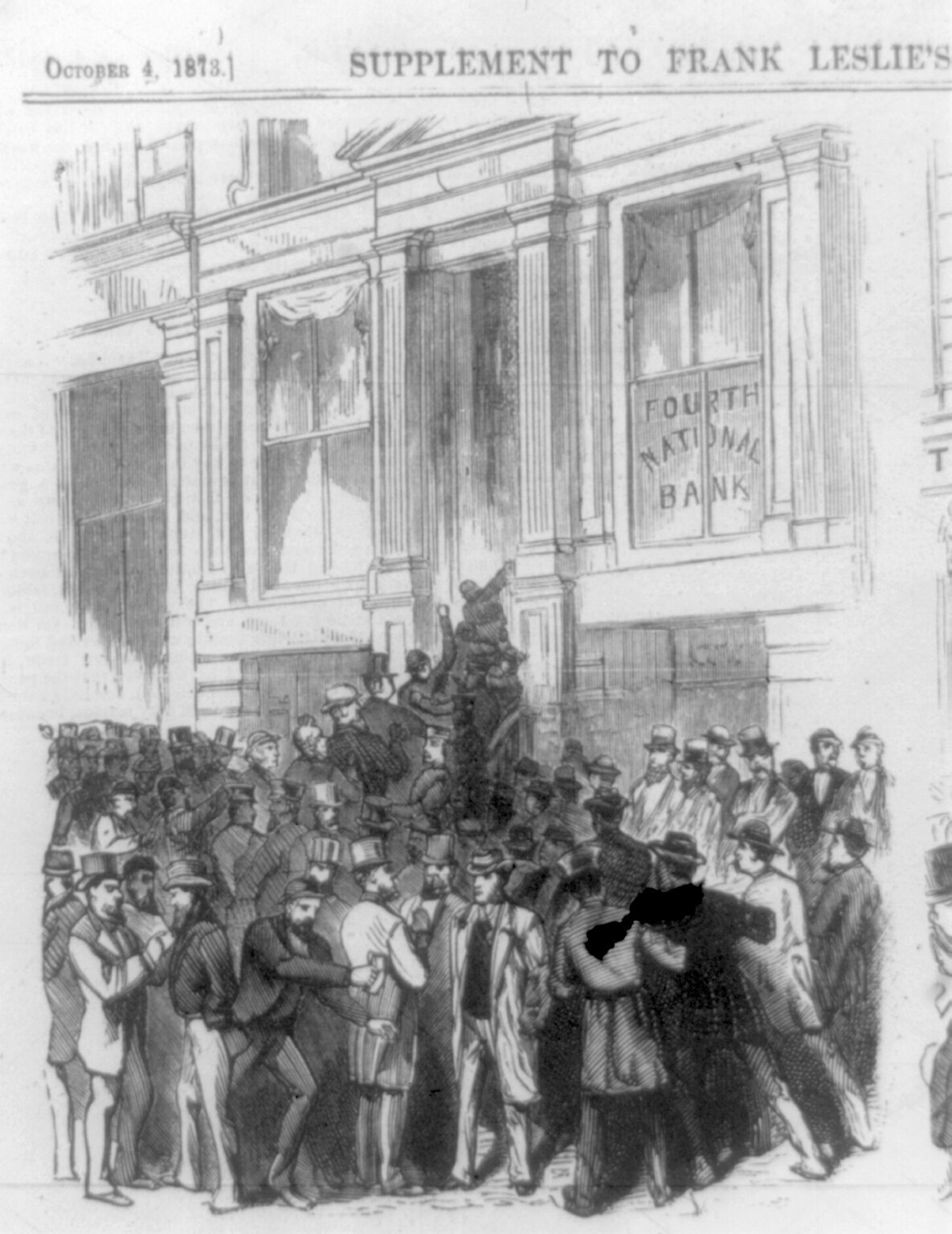
Period example — illustrative, not this person’s record
Shown as a period example of the kind of record or publication of the time; it is not a record of this person or family.Unknown author Unknown author, 1873-10-04. Public domain. Source

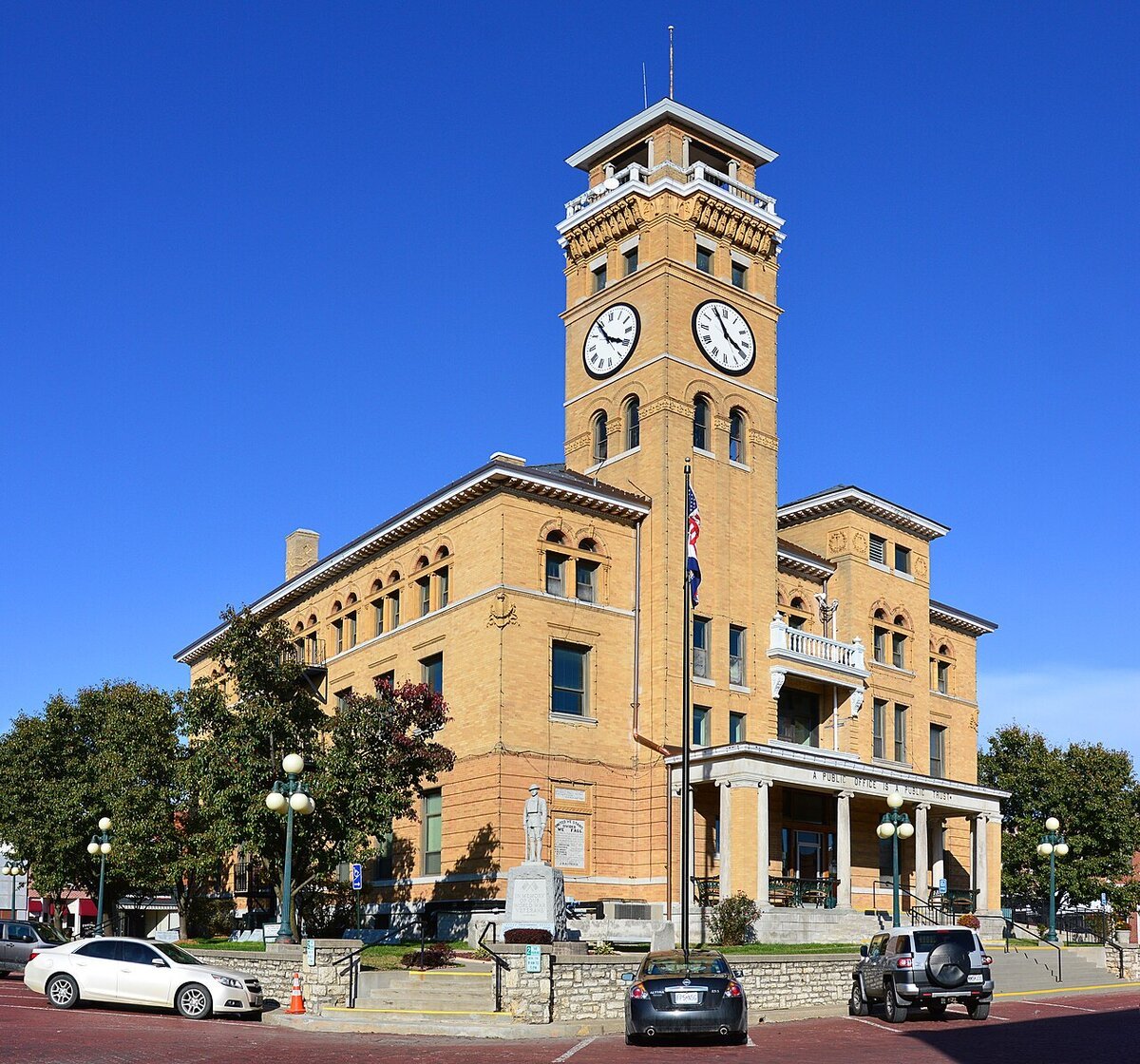
Cass County courthouse in Harrisonville, Missouri .Kbh3rd, 1882. CC BY 4.0. Source

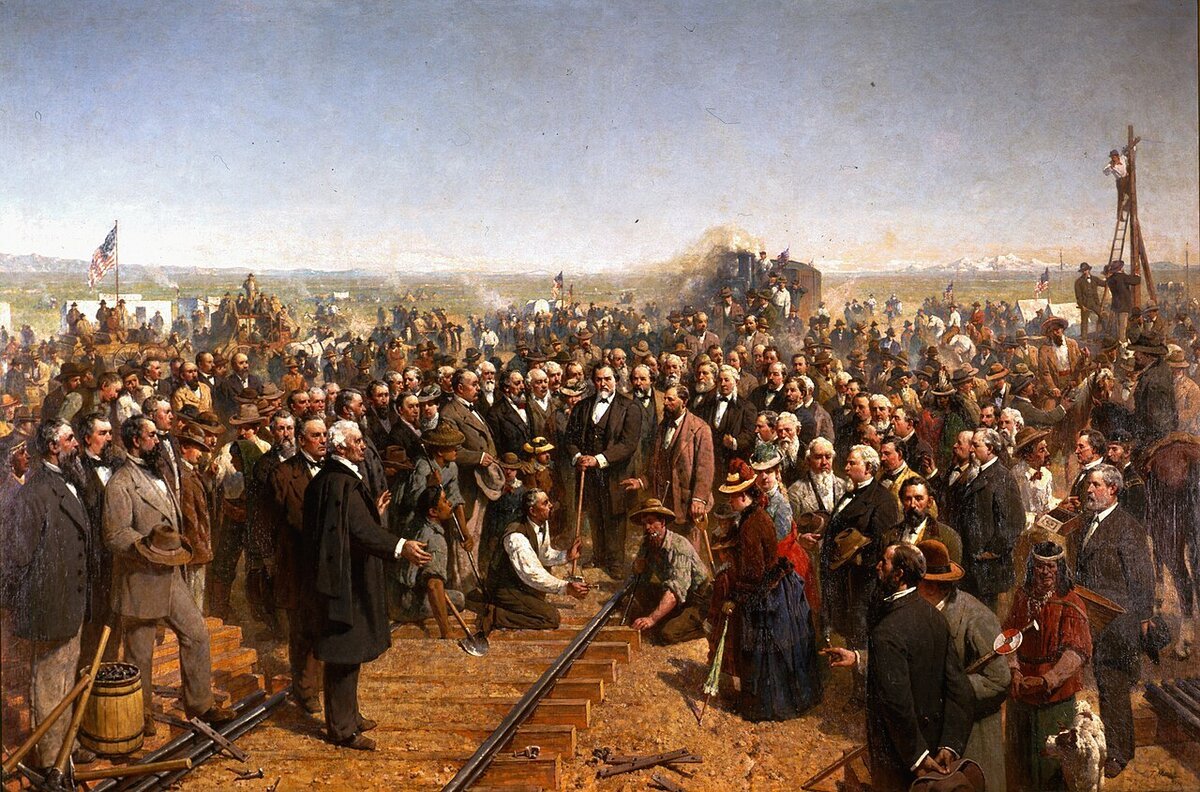
The painting depicts the ceremony of the driving of the "Last Spike" at Promontory Summit, UT, on May 10, 1869, joining the rails of the Central Pacific Railroad and the Union Pacific Railroad. It is worth noting that some of the people depicted in the painting were not at the Gold Spike ceremony (e.g., Collis P. Huntington, Charles Crocker, Edwin B. Crocker, Theodore Judah and Mark Hopkins). Only two of the members of the Central Pacific board of directors were present: Leland Stanford and Charles Marsh (who are depicted in the painting).Thomas Hill, 1881. Public domain. Source
