Kloepping branch · Generation 4 · ID I15
Burrell Kloepping
1886-02-19 – 1937-03-14
Facts
- Born
- 1886-02-19
- Birthplace
- Dawson County, NE
- Died
- 1937-03-14
- Burial place
- Buffalo Grove Presbyterian Church Cemetery, Dawson Co., NE
Relationships
- Father Frederick C. Kloepping
- Mother Susan Hadassah Cain
- Spouse / co-parent Minnie Sophia Pieper
- Child Warren Robert Kloepping
Research notes
Confirmed: born 19 Feb 1886 in Dawson County, NE; registered for WWI draft in Dawson County; died 14 Mar 1937, buried Buffalo Grove Presbyterian Cemetery beside wife Minnie.
Life and times
General historical context. This section describes the times and places this person lived in. It is not documented fact about them; “likely” means just that.
Places
- Lexington, Dawson County, Nebraska, USA 1886-1937
What was happening
- 1894 Platte Valley Drought of 1894 · Dawson County, Nebraska, USA
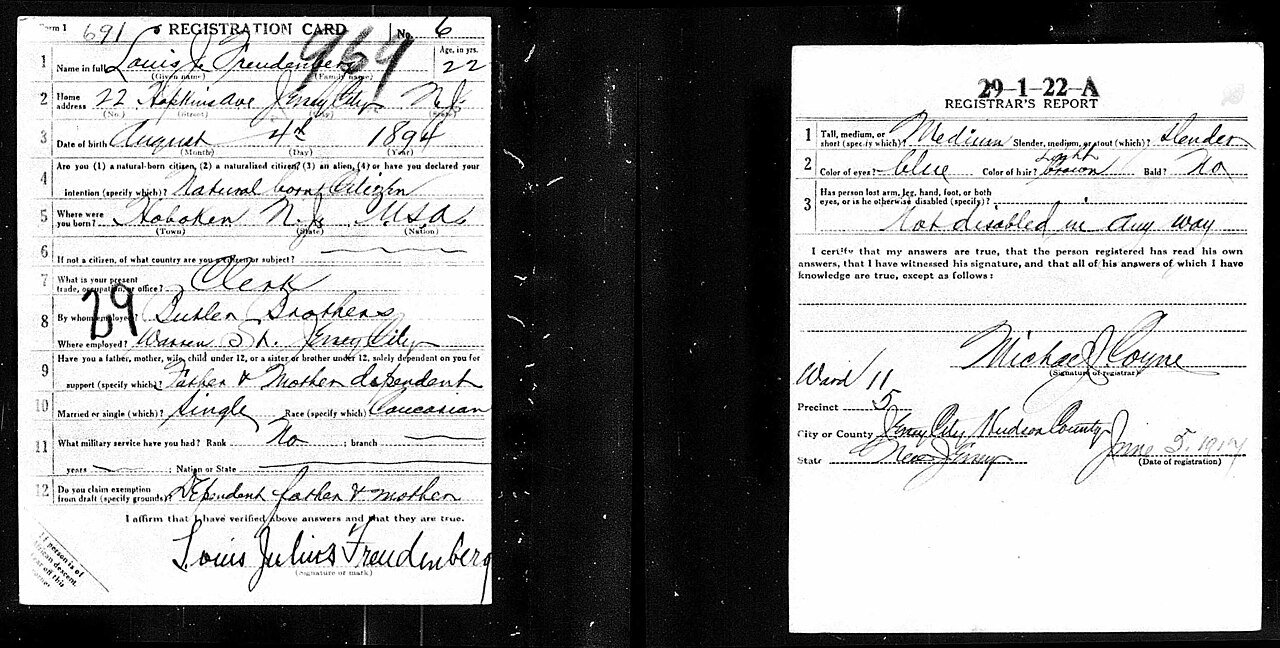
As an eight-year-old farm boy, Burrell would have likely experienced the anxiety of complete crop failure and livestock feed shortages on his parents' homestead. Source - 1917 Selective Service Registration for World War I · Dawson County, Nebraska, USA
Burrell was directly impacted when he registered for the military draft in Dawson County, likely having to balance potential wartime service against farm duties. Source - 1918 Spanish Influenza Pandemic in Nebraska · Dawson County, Nebraska, USA
Burrell and his household would have likely experienced strict quarantines and the shutdown of local church services and social gatherings during the deadly autumn wave. Source - 1920 Post-WWI Agricultural Price Deflation · Dawson County, Nebraska, USA
As an independent farmer establishing his livelihood, Burrell would have likely faced severe financial strain when farm commodity values plummeted following the war. Source - 1934 Dust Bowl Drought and Soil Erosion · Central Nebraska, USA
Burrell would have likely struggled to keep crops alive through black blizzards and record heat waves that severely damaged topsoil across Dawson County. Source - 1936 Historic North American Heat Wave of July 1936 · Nebraska, USA
Farming in Dawson County during the hottest summer on state record, Burrell would have likely suffered extreme physical exhaustion and widespread crop devastation. Source
In context
Burrell Kloepping was born in Dawson County, Nebraska, in February 1886, just as his pioneer parents arrived to build a homestead along the Platte River. His entire life was inextricably tied to the agricultural rhythms of central Nebraska. Growing up on the family farm, he witnessed the hardship of the catastrophic 1894 drought in early childhood, learning firsthand the precarious nature of plains farming. As a young adult, Burrell registered for the World War I draft in 1917 and lived through the deadly 1918 influenza epidemic that swept through rural Dawson County. Through the 1920s and 1930s, he farmed alongside his wife, Minnie, navigating the chronic farm depression, falling commodity prices, and escalating climatic crises of the Dust Bowl era. The extreme droughts and scorching heat waves of the mid-1930s battered Dawson County's agricultural economy, placing tremendous stress on local farm families. Burrell passed away in March 1937 at age fifty-one, resting beside family in the historic Buffalo Grove Presbyterian Cemetery.
Pictures from their world
Public-domain and openly licensed images of the places and times this person lived in. None are photos of this person; documents are period examples only.
Period example — illustrative, not this person’s record
Shown as a period example of the kind of record or publication of the time; it is not a record of this person or family. Completed Selective Service draft registration card from the first registration day of June 5, 1917, detailing registrant age, occupation, employer, and family support exemptions.Selective Service System / National Archives and Records Administration (NARA), 1917-06-05. Public domain. Source

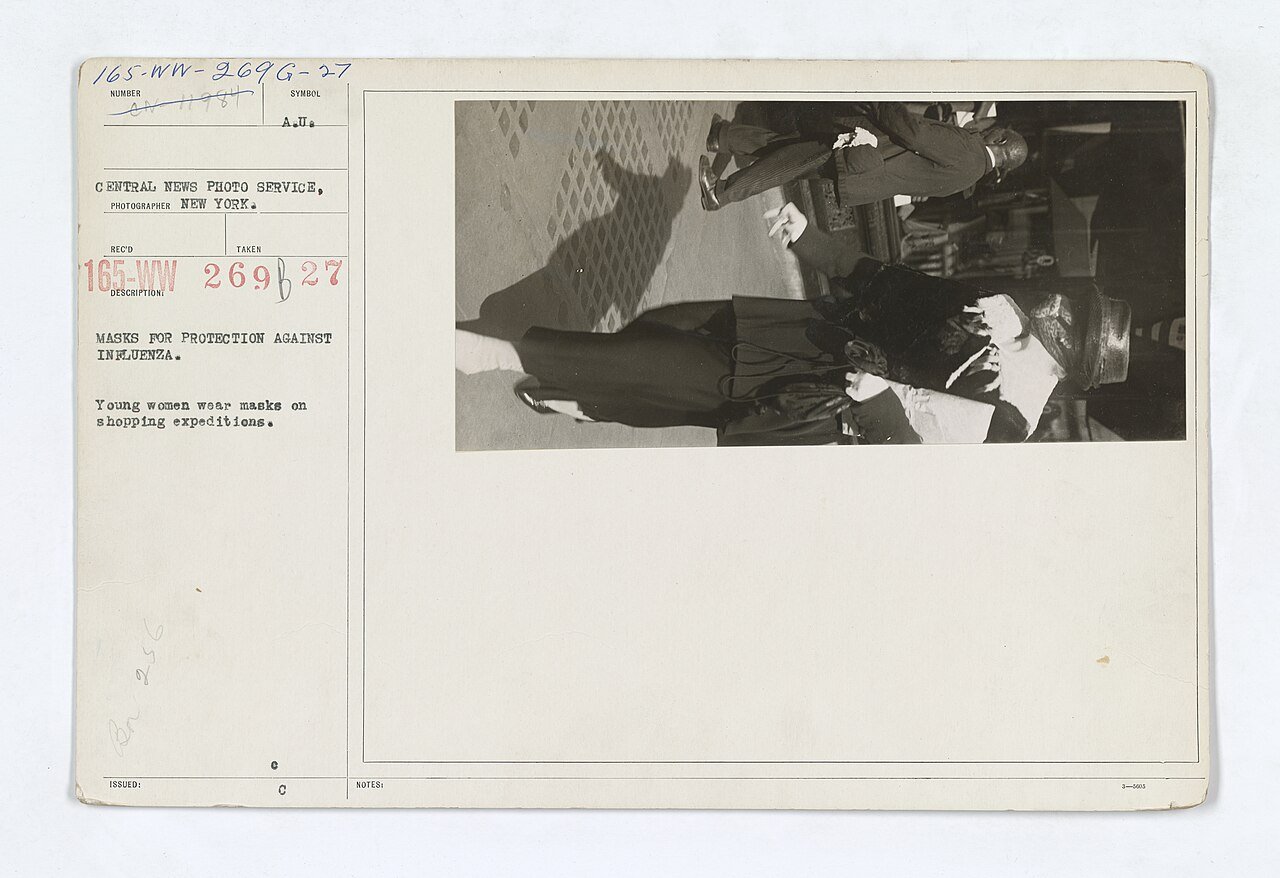
Photograph documenting protective gauze masks worn during the catastrophic autumn 1918 Spanish Influenza pandemic.US Army Medical Department / National Archives and Records Administration (NARA), 1918. Public domain. Source

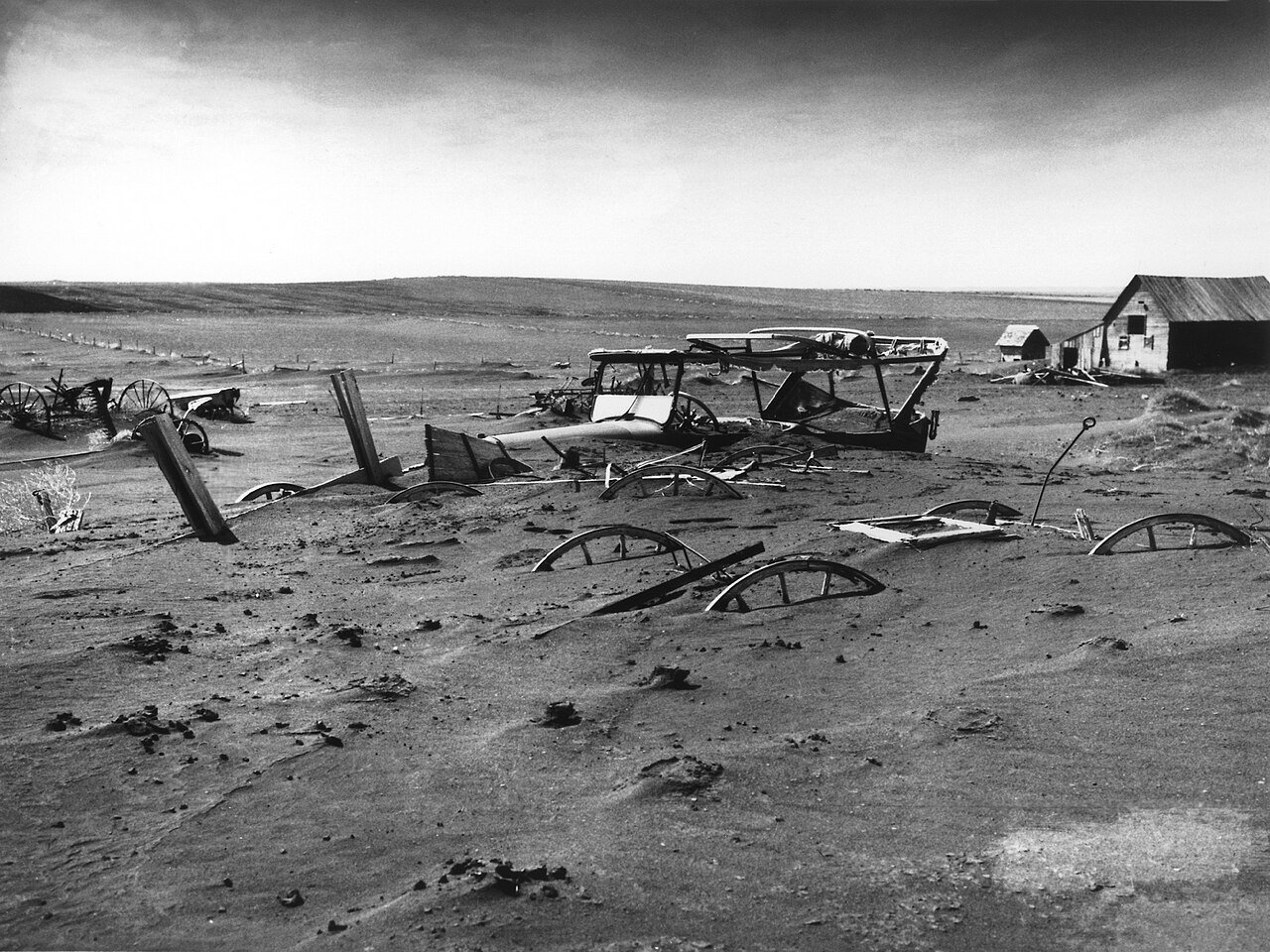
Massive black blizzard dust storm wall rolling across agricultural fields and farm buildings on the Great Plains on May 13, 1936.United States Department of Agriculture / National Archives, 1936-05-13. Public domain. Source

Period example — illustrative, not this person’s record
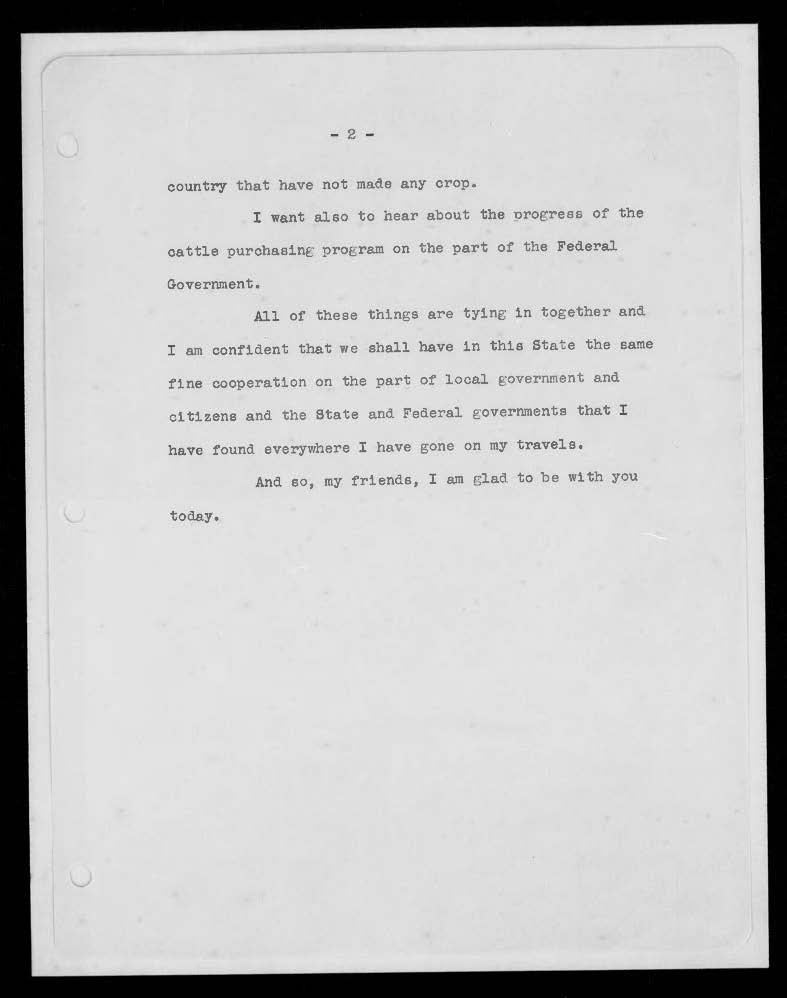
Shown as a period example of the kind of record or publication of the time; it is not a record of this person or family. Typed transcript of President Franklin D. Roosevelt's speech at Sidney, Nebraska during his Great Plains drought inspection tour on August 31, 1936, addressing agricultural emergency relief and soil conservation.White House / Franklin D. Roosevelt Presidential Library / DPLA, 1936-08-31. Public domain. Source

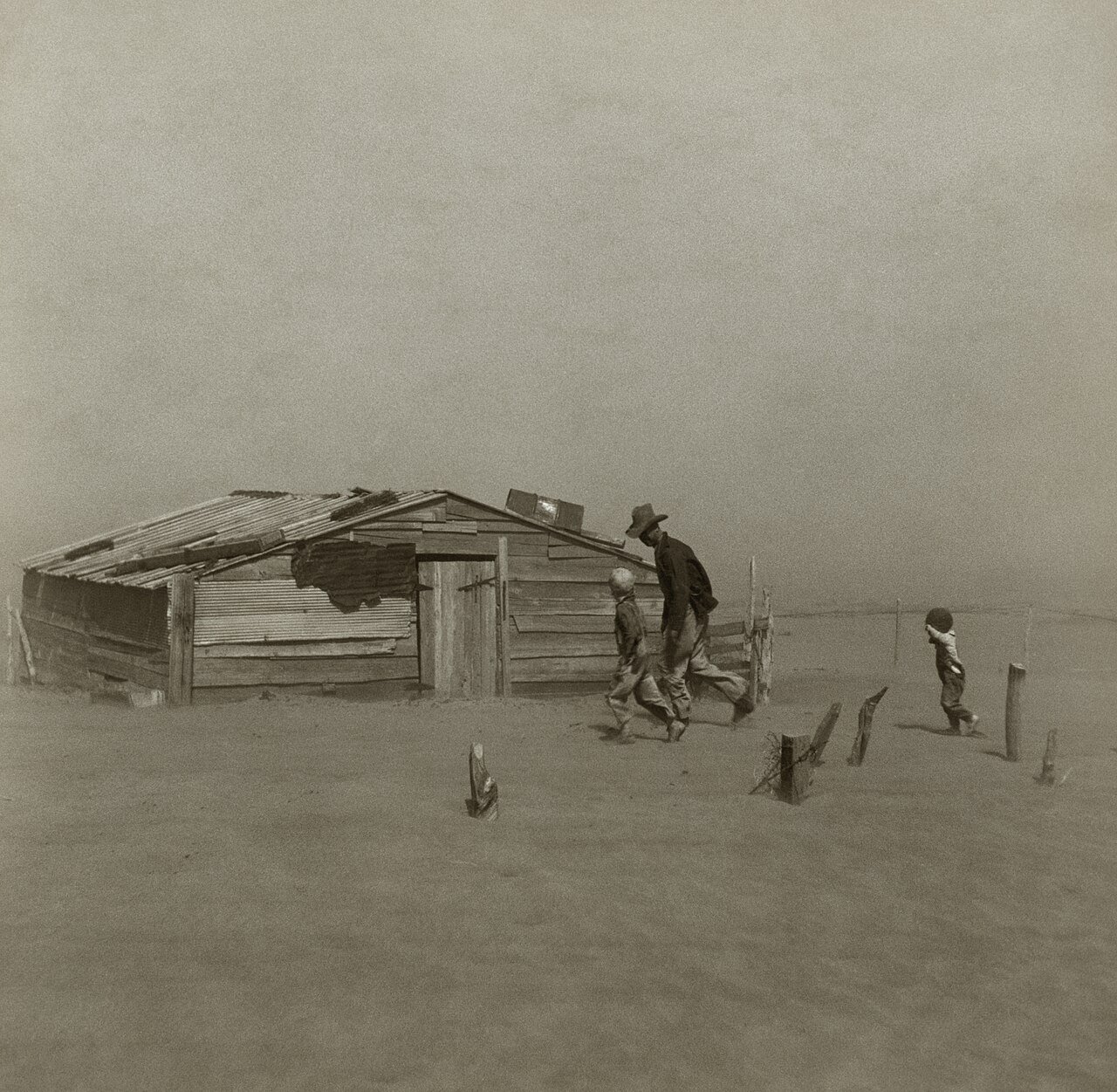
Iconic Farm Security Administration photograph by Arthur Rothstein capturing a plains farmer and two young boys struggling through high winds and drifting sand dunes past farm buildings.Arthur Rothstein (1915-1985) / Farm Security Administration / Library of Congress, 1936-04. Public domain. Source
