Kloepping branch · Generation 7 · ID I67
Johann Jobst Henrich Köller wird Schneider
? – ?
- Newly added by the research expansion; not yet independently re-checked
Facts
- Birthplace
- Vahlhausen Amt Horn, Principality of Lippe, Germany
- Occupation
- Mittelkötter in Vahlhausen Amt Horn, Nr. 6
Relationships
- Marriage Ilsabein Altemeyer → Ilsabein Altemeyer
- Child Anna Amalie Sophie Schneider (wird Leweke)
Research notes
Maternal grandfather of immigrant Wilhelm Klöpping. Mittelkötter on Hof Vahlhausen Amt Horn Nr. 6.
Life and times
General historical context. This section describes the times and places this person lived in. It is not documented fact about them; “likely” means just that.
Places
- Bellenberg, Principality of Lippe, Germany ca. 1750-ca. 1775
- Hof Vahlhausen Amt Horn Nr. 6, Principality of Lippe, Germany ca. 1775-ca. 1815
What was happening
- 1756 Outbreak of the Seven Years' War in Westphalia · Principality of Lippe and Westphalia, Germany
Growing up in rural Lippe near Horn, Johann Jobst would have likely seen childhood disruptions caused by passing military columns, grain levies, and the nearby skirmishes between French and allied forces. Source - 1789 Outbreak of the French Revolution and Lippische Peasant Sentiments · Principality of Lippe, Germany
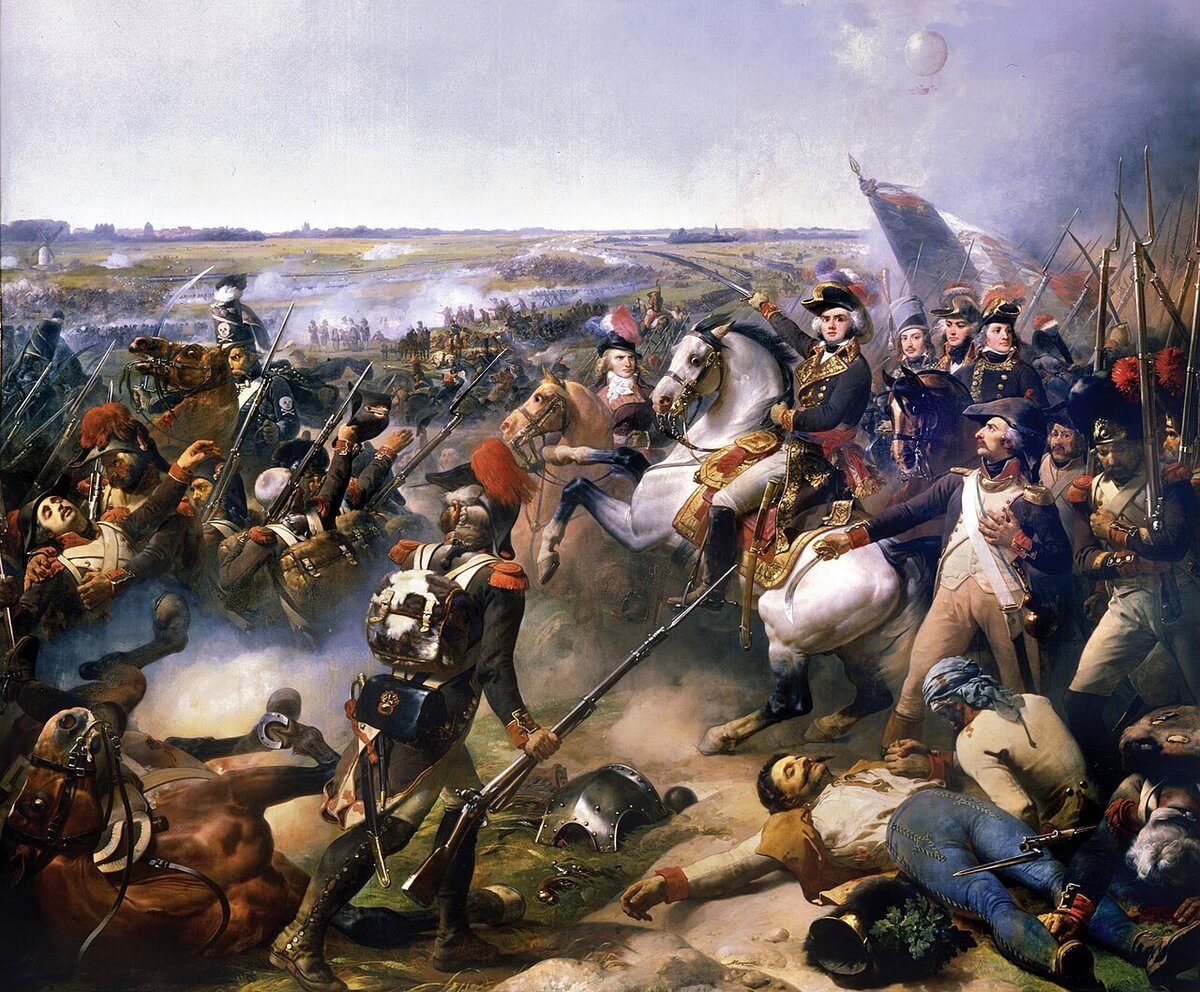
Working as a tailor and smallholder in Vahlhausen, Johann Jobst would have likely followed news of the French Revolution and local agrarian debates over reducing hereditary feudal obligations to local manors. Source - 1806 Dissolution of the Holy Roman Empire · Principality of Lippe, Germany
Balancing craftwork and farming on Hof Nr. 6, Johann Jobst would have likely experienced economic uncertainty as traditional trade patterns and imperial allegiances collapsed under French dominance. Source - 1807 Entry of Lippe into the Confederation of the Rhine · Principality of Lippe, Germany
Supporting his household through tailoring and farming, Johann Jobst would have likely struggled under the heavy direct taxation and continental trade restrictions enforced by Napoleonic administrators. Source - 1812 Napoleonic Draft and Westphalian Campaign · Principality of Lippe, Germany
As an aging craftsman and parent in Vahlhausen, Johann Jobst would have likely witnessed severe village labor shortages as Lippische conscripts were mobilized for Napoleon's disastrous Russian expedition. Source - 1813 Liberation of Lippe and Coalition Troop Movements · Principality of Lippe and Westphalia, Germany
Near the end of his life, Johann Jobst would have likely experienced the quartering and provisioning demands of Prussian and Russian coalition armies chasing retreating French troops through Westphalia. Source
In context
Johann Jobst Henrich Köller wird Schneider lived in the Principality of Lippe during an era characterized by feudal agrarian traditions, artisan craftsmanship, and Napoleonic warfare. Born around 1750 in Bellenberg to Christoph Budde wird Köller and Anna Elisabeth Henckeler, he trained as a tailor (Schneider) before acquiring the status of Mittelkötter on Hof Vahlhausen Amt Horn Nr. 6. In June 1782, he married Margarethe Ilsabein Altemeyer in Horn, combining tailoring with small-scale cultivation to support their household. In October 1785, they celebrated the birth of their daughter Anna Amalie Sophie Schneider, future grandmother of immigrant Wilhelm Klöpping. Johann Jobst lived through the disintegration of the Holy Roman Empire in 1806 and the harsh economic consequences of Lippe's forced alignment with Napoleon's Confederation of the Rhine. As both a craftsman and smallholder, he contended with strict trade restrictions, military levies, and the conscription of village youth for the French imperial campaigns. Surviving the dramatic liberation of northwest Germany following the Battle of Leipzig in 1813, Johann Jobst died in Vahlhausen around 1815.
Pictures from their world
Public-domain and openly licensed images of the places and times this person lived in. None are photos of this person; documents are period examples only.