Kloepping branch · Generation 6 · ID I41
Anna Amalie Sophie Schneider (wird Leweke)
1785-10-09 – 1819-12-07
- Newly added by the research expansion; not yet independently re-checked
Facts
- Born
- 1785-10-09
- Birthplace
- Hof Vahlhausen Amt Horn Nr. 6, Principality of Lippe, Germany
- Died
- 1819-12-07
- Place of death
- Hof Meinberg Nr. 62, Principality of Lippe, Germany
Relationships
- Father Johann Jobst Henrich Köller wird Schneider
- Mother Ilsabein Altemeyer
- Spouse / co-parent Simon Henrich Kuhlmann (wird Leweke oder Klöpping)
- Marriage Carl Henrich Leweke wird Klöpping (m. 1811-11-10, Meinberg) → Carl Henrich Leweke wird Klöpping
- Child Wilhelm Klöpping (born Kuhlmann / Leweke)
Research notes
BIOLOGICAL MOTHER of immigrant Wilhelm Klöpping. Born in Vahlhausen Amt Horn; married 1st Carl Henrich Leweke (wird Klöpping), 2nd Simon Henrich Kuhlmann (wird Leweke oder Klöpping).
Life and times
General historical context. This section describes the times and places this person lived in. It is not documented fact about them; “likely” means just that.
Places
- Hof Vahlhausen Amt Horn Nr. 6, Principality of Lippe, Germany 1785-1811
- Hof Meinberg Nr. 62, Principality of Lippe, Germany 1811-1819
What was happening
- 1806 Dissolution of the Holy Roman Empire · Principality of Lippe, Germany
Anna Amalie would have likely felt the profound geopolitical shock as the centuries-old Holy Roman Empire dissolved, leaving Lippe directly subject to French imperial domination. Source - 1807 Accession of Lippe to the Confederation of the Rhine · Principality of Lippe, Germany
Living in rural Lippe, Anna Amalie would have likely observed administrative restructuring and heavy tax burdens when Princess Regent Pauline formally placed the principality under Napoleonic protection. Source - 1812 Napoleonic Conscription for the Russian Campaign · Principality of Lippe, Germany
As a newly married farm wife on Hof Meinberg, Anna Amalie would have likely experienced severe agricultural labor shortages and community grief when Lippische men were drafted into Napoleon's invading armies. Source - 1813 Liberation of Lippe following the Battle of Leipzig · Principality of Lippe and Westphalia, Germany
In the year she was widowed and remarried, Anna Amalie would have likely witnessed the transit of allied coalition troops and emergency grain requisitions as Lippe broke away from French hegemony. Source - 1816 The Year Without a Summer and Lippische Famine · Principality of Lippe, Germany
Caring for young children including her newborn son Wilhelm, Anna Amalie would have likely struggled through devastating harvest failures, relentless rains, and severe bread shortages throughout 1816 and 1817. Source - 1819 Promulgation of the First Lippe Constitution · Detmold, Principality of Lippe, Germany
Shortly before her death, Anna Amalie would have likely heard local discussions regarding Princess Pauline's landmark constitution establishing representative rights and moderating traditional feudal dues across Lippische farmsteads. Source
In context
Anna Amalie Sophie Schneider lived her short thirty-four-year life entirely within the rural heartland of the Principality of Lippe during a period of tumultuous European history. Born at Hof Vahlhausen Amt Horn in 1785, she grew up in an agrarian society governed by ancestral estate traditions and the feudal lordship of the House of Lippe. Her adult years coincided with the Napoleonic Wars, which brought profound disruption to northwestern Germany. As Lippe entered Napoleon's Confederation of the Rhine, farmsteads faced heavy wartime levies and the forced conscription of local men. In November 1811, she married widower Carl Henrich Leweke, moving to Hof Meinberg Nr. 62. Widowed while pregnant when Carl died in July 1813, she navigated severe personal and economic uncertainty just as Allied forces liberated Lippe from French vassalage. She remarried Simon Henrich Kuhlmann later that autumn, giving birth around 1815 to her son Wilhelm Klöpping, the future American immigrant. Anna Amalie's final years were overshadowed by the catastrophic harvest failures and bread shortages of the 1816 'Year Without a Summer.' She died in Meinberg in December 1819 at age thirty-four.
Pictures from their world
Public-domain and openly licensed images of the places and times this person lived in. None are photos of this person; documents are period examples only.

Battle of Fleurus, 26 June 1794Jean-Baptiste Mauzaisse, painted 1837, depicts the 1794 battle. Public domain. Source

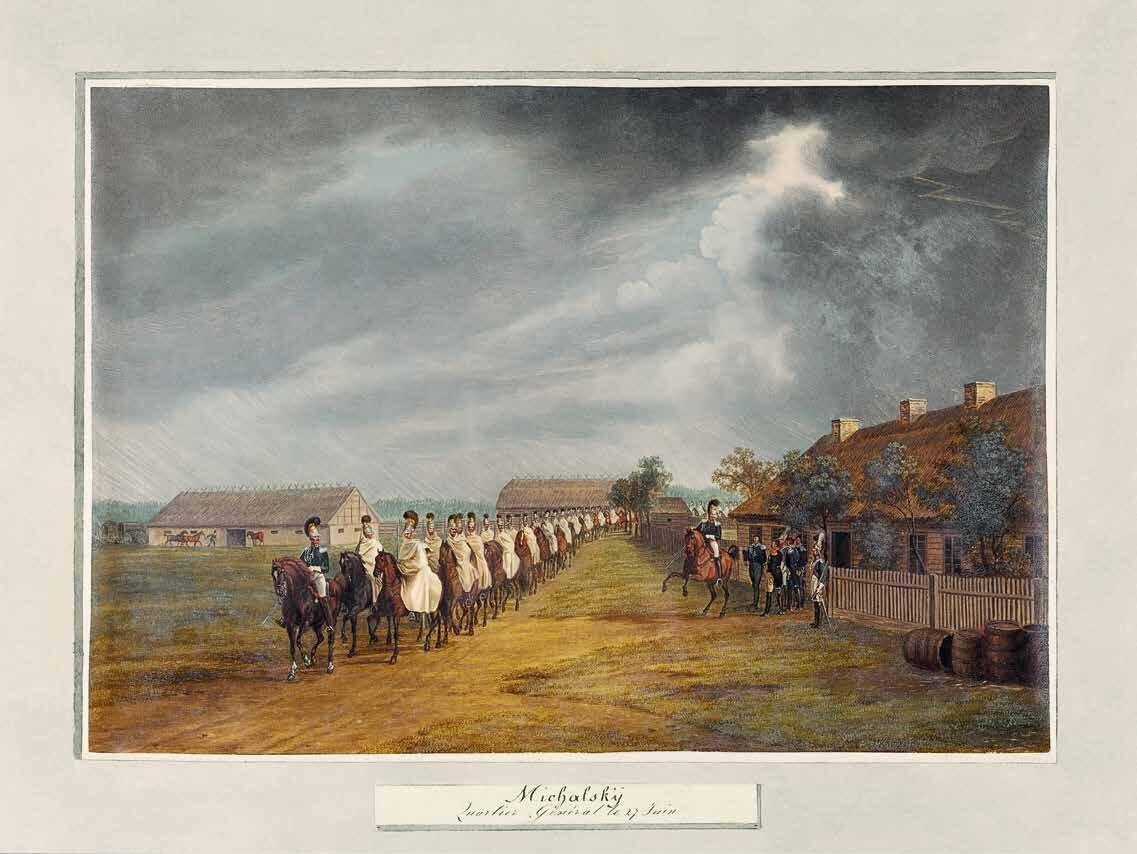
1812 June 27. Mykoliškiai. Quartier GénéralAlbrecht Adam, 1812-06-27. CC BY-SA 4.0 (share-alike). Source

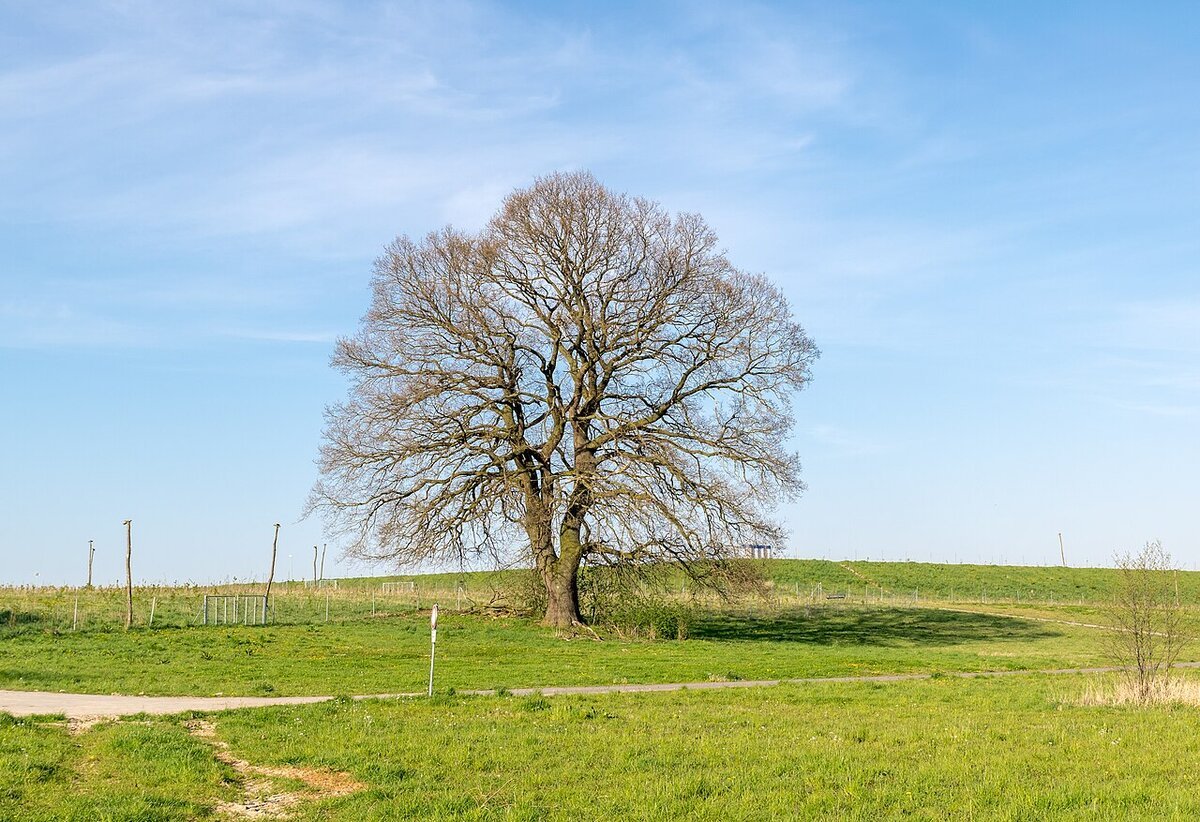
Naturdenkmal 1 Eiche nordöstlich der Kläranlage am Niederbeller Bach in Horn-Bad Meinberg-BelleTsungam, 1806. CC BY-SA 4.0 (share-alike). Source
