Kloepping branch · Generation 8 · ID I80
Carl Henrich Leweke wird Klöpping
ca. 1750 – 1813-07-19
- Newly added by the research expansion; not yet independently re-checked
Facts
- Born
- ca. 1750
- Birthplace
- Brakelsiek, Amt Schwalenberg, Principality of Lippe, Germany
- Died
- 1813-07-19
- Place of death
- Hof Meinberg Nr. 62, Principality of Lippe, Germany
- Buried
- 1813-07-23
- Occupation
- Kleinkötter on Hof Meinberg Nr. 62
Relationships
- Father Jürgen Läweke (of Brakelsiek) (not in tree)
- Spouse / co-parent Anna Amalie Sophie Schneider (wird Leweke)
- Marriage Anna Maria Elisabeth Klöpping (m. 1774-10-09, Meinberg) → Anna Maria Elisabeth Klöpping
- Marriage Catharina Agnetha Merck (m. 1797-10-08, Meinberg)
Research notes
Crucial figure in the Meinberg Nr. 62 Hof succession. Born Leweke in Brakelsiek; married the Klöpping heiress in 1774 and assumed the estate name 'Carl Henrich Leweke wird Klöpping'. His 3rd wife, Anna Amalie Schneider, was the mother of immigrant Wilhelm Klöpping by her second husband Simon Henrich Kuhlmann.
Life and times
General historical context. This section describes the times and places this person lived in. It is not documented fact about them; “likely” means just that.
Places
- Brakelsiek, Amt Schwalenberg, Principality of Lippe, Germany ca. 1750-1774
- Hof Meinberg Nr. 62, Principality of Lippe, Germany 1774-1813
What was happening
- 1756 Outbreak of the Seven Years' War in Westphalia · Principality of Lippe, Holy Roman Empire
As a young child in Brakelsiek, Carl Henrich would have likely witnessed the distress of village families subjected to heavy military quartering, forced forage collections, and French and Hanoverian troop movements across Lippe. Source - 1774 Hof Succession and Marriage to the Klöpping Heiress · Meinberg, Principality of Lippe, Holy Roman Empire
Upon marrying Anna Maria Elisabeth Klöpping, Carl Henrich would have likely followed Lippische custom by adopting the farmstead surname 'wird Klöpping' to assume legal and economic stewardship of Hof Meinberg Nr. 62 as a Kleinkötter. Source - 1785 Agricultural Modernization and Agrarian Edicts in Lippe · Principality of Lippe, Holy Roman Empire
Managing his farmstead in Meinberg, Carl Henrich would have likely benefited from administrative edicts issued by the Lippe government that encouraged clover cultivation, improved soil drainage, and regularized tenant duties. Source - 1806 Dissolution of the Holy Roman Empire and Entry into the Rhine Confederation · Principality of Lippe, Germany
Carl Henrich would have likely felt grave concern as centuries-old imperial allegiances dissolved and Lippe was forced into Napoleon's Confederation of the Rhine, bringing heavier financial tax levies on peasant smallholders. Source - 1808 Abolition of Serfdom by Princess Regent Pauline · Principality of Lippe, Germany
As an established Kleinkötter on Hof Nr. 62, Carl Henrich would have likely celebrated the enlightened decree emancipating Lippe's peasant class from hereditary personal bondage. Source - 1813 Napoleonic Levies and the German Wars of Liberation · Meinberg and Detmold, Principality of Lippe, Germany
In his final months before his death in July 1813, Carl Henrich would have likely witnessed severe village anxiety over Napoleonic troop requisitions just prior to the collapse of French hegemony in northwestern Germany. Source
In context
Carl Henrich Leweke wird Klöpping lived through sixty-three years of dramatic social and geopolitical upheaval in northwestern Germany. Born around 1750 to Jürgen Läweke in Brakelsiek within Amt Schwalenberg, he spent his youth in a traditional agrarian community burdened by the passage of armies during the Seven Years' War. In October 1774, he married Anna Maria Elisabeth Klöpping, the eldest daughter and heiress of Hof Meinberg Nr. 62. In accordance with Lippische custom, he adopted the farmstead surname "Leweke wird Klöpping" and assumed the management of the smallholding as a Kleinkötter. For nearly four decades, Carl Henrich guided the farm through sweeping changes, including agrarian reform edicts, the rise of Bad Meinberg's medicinal springs, and the death of his first wife in 1797. Under the enlightened regency of Princess Pauline, he witnessed the historic abolition of serfdom in Lippe in 1808, liberating peasant tenants from hereditary servitude. In his twilight years, amidst the oppressive taxes and conscriptions of the Napoleonic Wars, he remarried twice, fathering an unborn child with his third wife, Anna Amalie Schneider, before passing away at Hof Nr. 62 in July 1813.
Pictures from their world
Public-domain and openly licensed images of the places and times this person lived in. None are photos of this person; documents are period examples only.
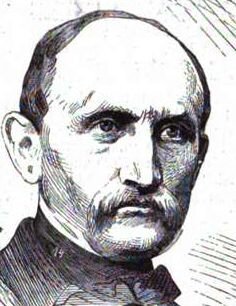
Alexander von Oheimb, Bevollmächtigter des Fürstentums Lippe, beim Norddeutschen Bund, 1867.Hermann Scherenberg., 1867. Public domain. Source

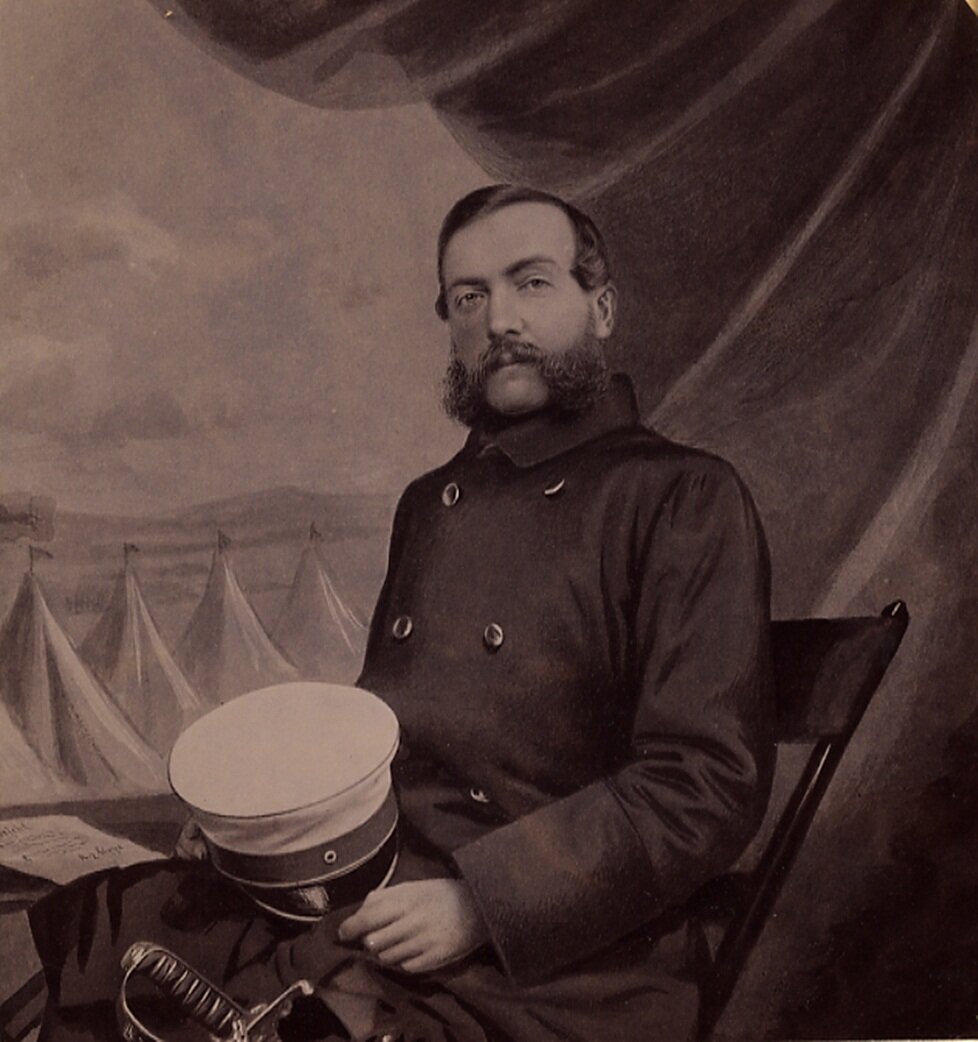
Fürst Alexander zur LippeUnknown author Unknown author, 1850. Public domain. Source


Naturdenkmal 1 Eiche nordöstlich der Kläranlage am Niederbeller Bach in Horn-Bad Meinberg-BelleTsungam, 1756. CC BY-SA 4.0 (share-alike). Source

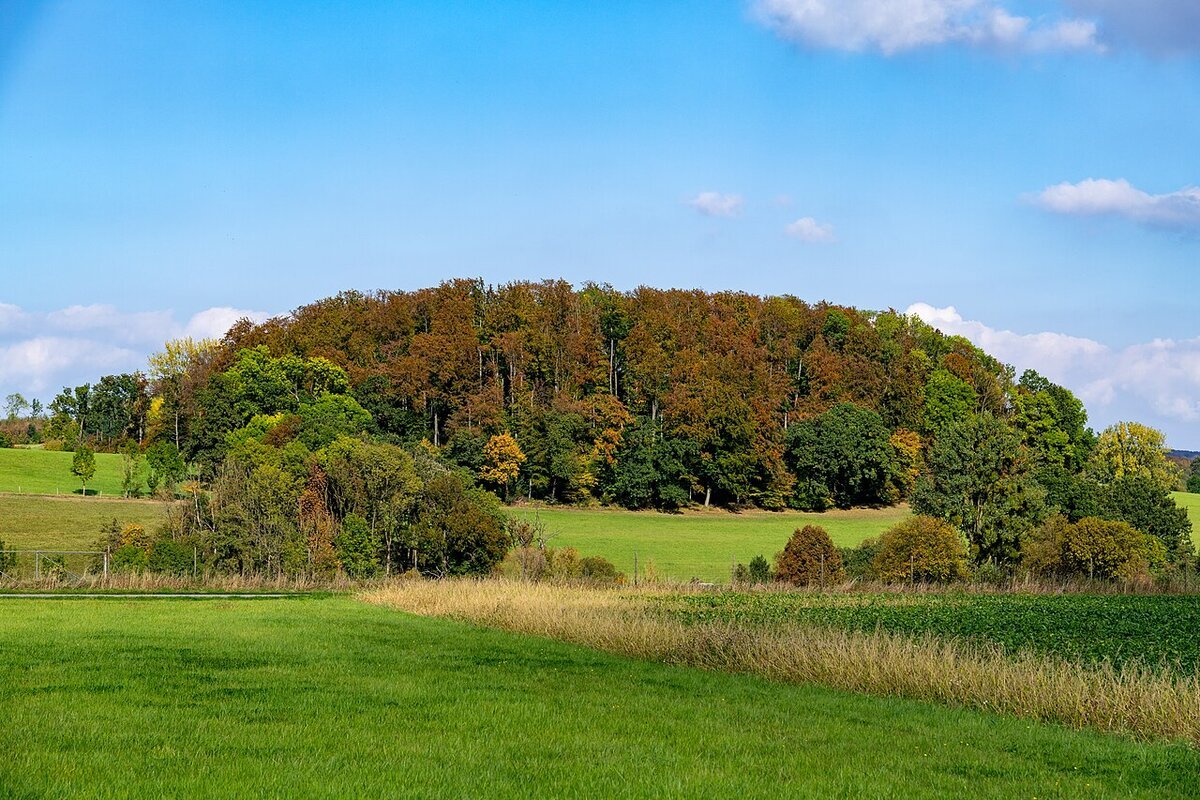
Galgenberg ("gallows hill") with fagus sylvatica between Fromhausen and HornTsungam, 1756. CC BY-SA 4.0 (share-alike). Source
