Kloepping branch · Generation 5 · ID I19
Wilhelm Klöpping (born Kuhlmann / Leweke)
ca. 1814 / 1815 – 1904-03-20
Facts
- Born
- ca. 1814 / 1815
- Birthplace
- Hof Meinberg Nr. 62, Principality of Lippe, Germany
- Died
- 1904-03-20
- Place of death
- Dawson Co., NE
- Burial place
- Buffalo Grove Presbyterian Church Cemetery, Dawson Co., NE
- Occupation
- Ziegelarbeiter (brick worker) / Pioneer Farmer
- Immigration
- Sailed from Bremen Harbor to New Orleans on ship 'Anna Delius' (arrived May 1854); traveled up Mississippi River to Freeport, IL, then settled in Dawson Co., NE (1886).
Relationships
- Biological father Simon Henrich Kuhlmann (wird Leweke oder Klöpping)
- Biological mother Anna Amalie Sophie Schneider (wird Leweke)
- Earlier listed parents (superseded) Friderich Kloepping & Friderike Mense — the research found this came from family memory and is not correct.
- Marriage Anna Marie Wilhelmine Louise Bracht (m. 1843-02-12, Meinberg) → Anna Marie Wilhelmine Louise (Louisa) Bracht
- Child Frederick C. Kloepping
Research notes
PRIORITY FINDING - GERMAN ARCHIVES & HOFNAME CUSTOM: Wilhelm Klöpping was NOT a biological Klöpping. His biological father was Simon Henrich Kuhlmann (from Meinberg Nr. 20), who married the widow Anna Amalie Sophie Schneider on Hof Meinberg Nr. 62 on 28 Nov 1813 and assumed the estate name 'Simon Henrich Kuhlmann wird Leweke oder Klöpping' under the Lippische Hofnamensitte. Wilhelm was born ca. 1815 as a brickworker (Ziegelarbeiter at Meinberg Nr. 47). Married 12 Feb 1843 in Meinberg to Anna Marie Wilhelmine Louise Bracht. Emigrated 1854 on the bark 'Anna Delius' from Bremen to New Orleans (Lippe archive ref. XI. 1086). Died 20 Mar 1904 aged 90; buried Buffalo Grove Cemetery.
Life and times
General historical context. This section describes the times and places this person lived in. It is not documented fact about them; “likely” means just that.
Places
- Meinberg, Principality of Lippe, Germany 1815-1854
- Rock Grove, Stephenson County, Illinois, USA 1854-1886
- Lexington, Dawson County, Nebraska, USA 1886-1904
What was happening
- 1845 European Potato Failure and Lippe Famine · Principality of Lippe, Germany
As a rural brickworker in Meinberg, Wilhelm would have likely experienced severe food price inflation and economic hardship caused by regional crop failures. Source - 1848 Revolutions of 1848 in the German States · Principality of Lippe, Germany
Wilhelm would have likely witnessed the peasant unrest and demands for tenant relief in Lippe that intensified rural desires for emigration. Source - 1854 Transatlantic Emigration via Bremen to New Orleans · Bremen, Germany and New Orleans, Louisiana
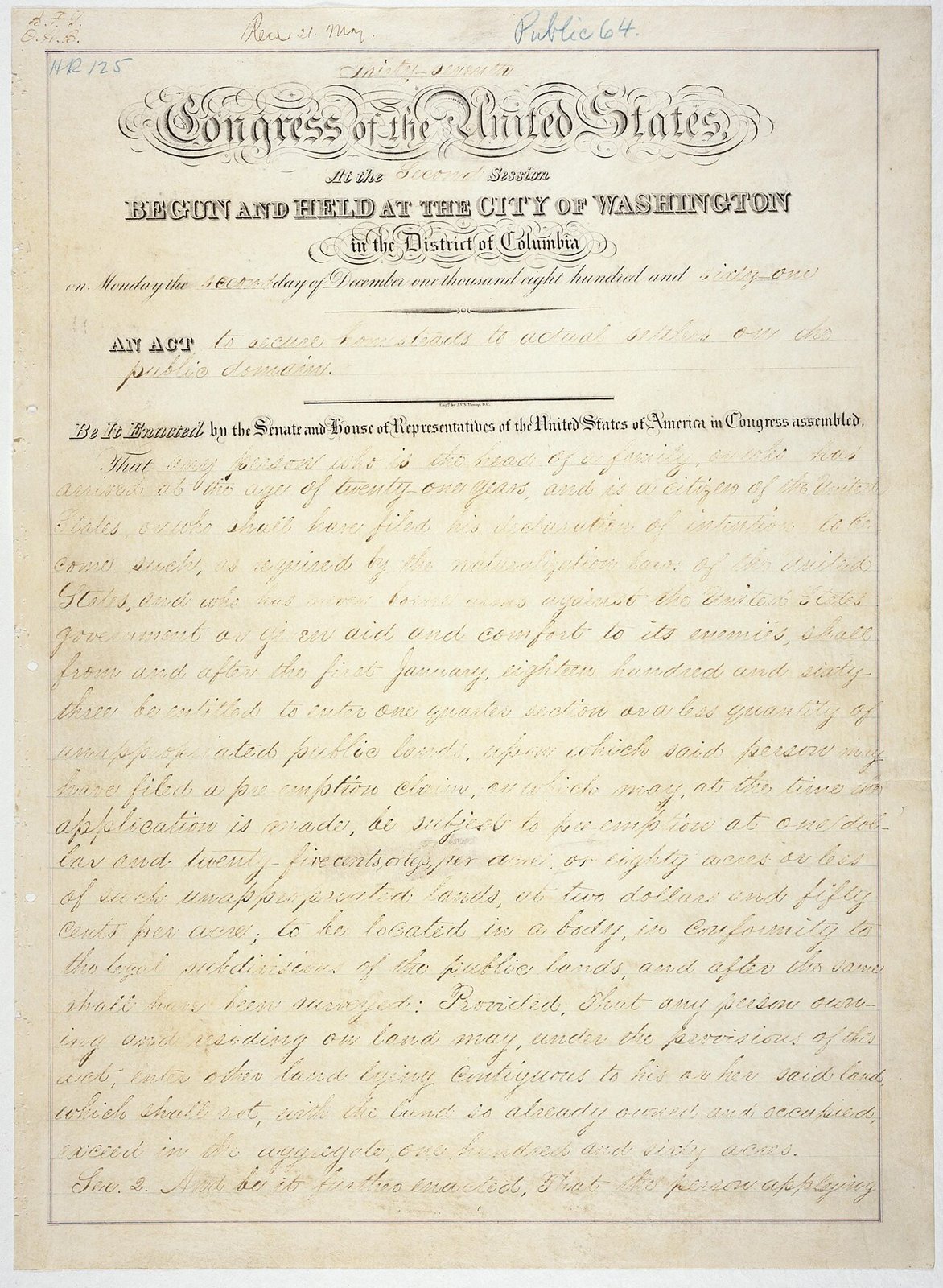
Wilhelm and his family were part of this transatlantic migration wave, likely boarding the bark Anna Delius in Bremen to seek American agricultural land. Source - 1862 Passage of the Homestead Act · Washington, D.C., USA
While farming in northern Illinois, Wilhelm would have likely monitored the opening of free public domain acreage in Nebraska that later attracted his family westward. Source - 1871 Great Chicago Fire and Regional Transport Disruption · Chicago and Northern Illinois, USA
Farming in nearby Stephenson County, Wilhelm would have likely felt temporary grain transport disruptions and price shocks following the destruction of Chicago's depots. Source - 1894 Great Plains Drought of 1894 · Dawson County, Nebraska, USA
Living out his retirement on his family's Nebraska homestead, Wilhelm would have likely seen scorched cornfields and community relief efforts during this catastrophic summer drought. Source
In context
Wilhelm Kloepping lived through a momentous era of nineteenth-century transatlantic migration and American frontier expansion. Born in the rural Principality of Lippe around the close of the Napoleonic Wars, he grew up under the traditional German agrarian system, working as a brickmaker (Ziegelarbeiter) during decades of widespread rural poverty and food scarcity. The catastrophic potato failures of the 1840s and the political upheavals of 1848 spurred an exodus of Lippe families, and in 1854 Wilhelm joined this wave, crossing the Atlantic to New Orleans before traveling up the Mississippi River to Stephenson County, Illinois. There, he farmed for three decades, raising his family amidst the agricultural booms and rail expansions of the Civil War era. In 1886, drawn by western homesteading opportunities, he joined his adult children in relocating to the fertile but unpredictable plains of Dawson County, Nebraska. Settling in Buffalo Grove near Lexington, Wilhelm spent his final years witnessing the rapid conversion of the open prairie into fenced farmland and surviving the punishing Great Plains droughts of the 1890s before his death in 1904 at age ninety.
Pictures from their world
Public-domain and openly licensed images of the places and times this person lived in. None are photos of this person; documents are period examples only.
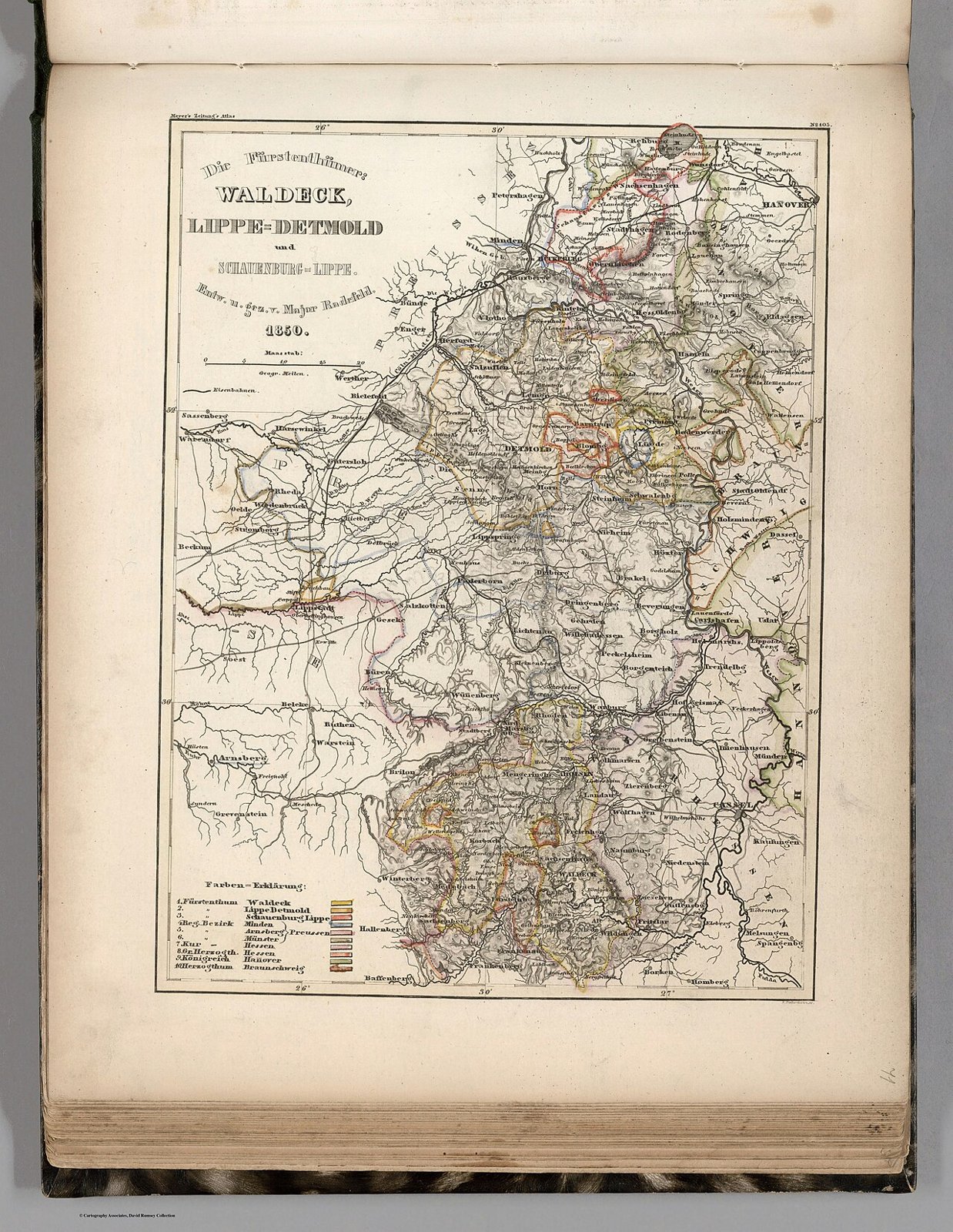
Engraved outline hand-colored map of the Principality of Lippe-Detmold and surrounding German states by Major Carl Radefeld, engraved by E. Biedermann, published in Meyer's Groschen-Atlas (1850).Major Carl Radefeld (1788-1874) / Joseph Meyer (1796-1856), 1850. Public domain. Source
.jpg)
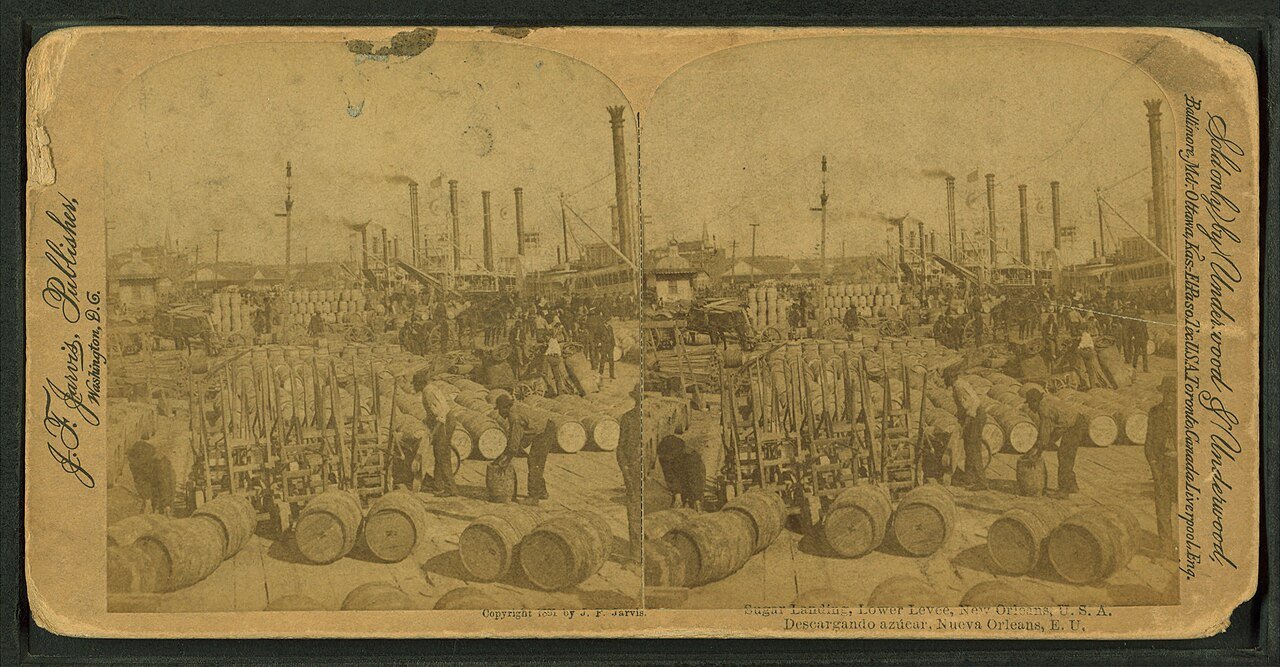
Historic photograph showing steamboats, cargo barrels, and river commerce along the New Orleans levee, the primary Mississippi River port of entry for transatlantic immigrants.John F. Jarvis / Library of Congress, ca. 1850s-1880s. Public domain. Source

Period example — illustrative, not this person’s record
Shown as a period example of the kind of record or publication of the time; it is not a record of this person or family. Enrolled parchment document of the Homestead Act approved by President Abraham Lincoln, granting 160 acres of public land to settlers willing to cultivate Western lands.37th United States Congress / National Archives and Records Administration (NARA), 1862-05-20. Public domain. Source

Period example — illustrative, not this person’s record
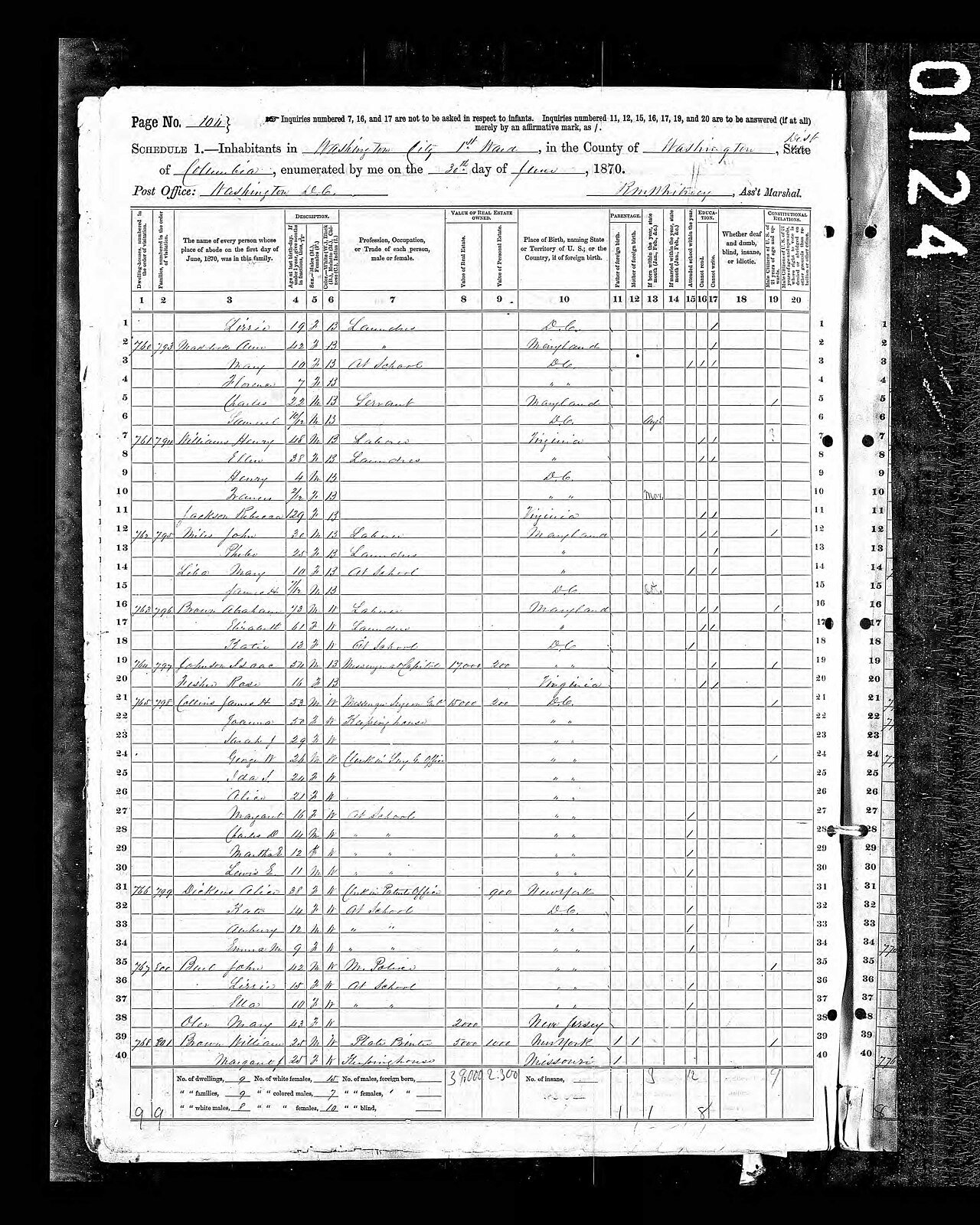
Shown as a period example of the kind of record or publication of the time; it is not a record of this person or family. Handwritten census enumeration sheet from the Ninth Census of the United States (1870), recording household names, agricultural vocations, real estate values, and birth origins in rural America.United States Census Bureau / National Archives, 1870. Public domain. Source

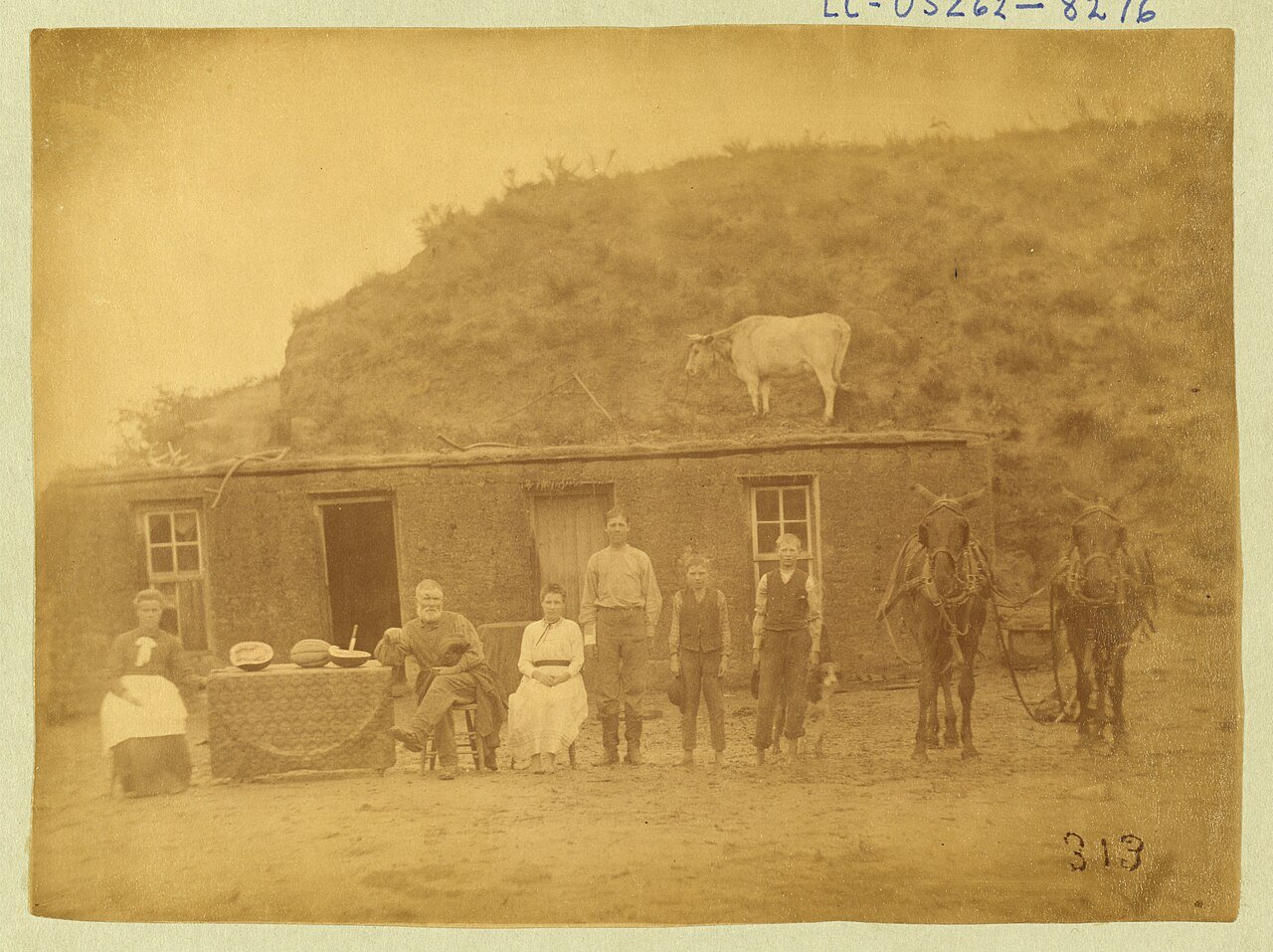
Pioneer homesteader family posed outside their sod house with horses, cattle, and farm gear on the central Nebraska prairie, photographed by Solomon D. Butcher in 1886.Solomon D. Butcher (1856-1927) / Library of Congress, 1886. Public domain. Source
