Kloepping branch · Generation 6 · ID I40
Simon Henrich Kuhlmann (wird Leweke oder Klöpping)
ca. 1776 – 1834-10-10
- Newly added by the research expansion; not yet independently re-checked
Facts
- Born
- ca. 1776
- Birthplace
- Hof Meinberg Nr. 20, Principality of Lippe, Germany
- Died
- 1834-10-10
- Place of death
- Hof Meinberg Nr. 62, Principality of Lippe, Germany
- Buried
- 1834-10-13
- Occupation
- Colon / Tagelöhner on Hof Meinberg Nr. 62
Relationships
- Father Christoph Henrich Kuhlemann
- Mother Anna Marie Galius Schlingmann
- Marriage Anna Amalie Sophie Schneider wird Leweke (m. 1813-11-28, Meinberg) → Anna Amalie Sophie Schneider (wird Leweke)
- Child Wilhelm Klöpping (born Kuhlmann / Leweke)
Research notes
BIOLOGICAL FATHER of immigrant Wilhelm Klöpping. Born on Hof Meinberg Nr. 20; married the widow Anna Amalie Schneider on Hof Nr. 62 in Nov 1813 and assumed the Hofname 'Leweke oder Klöpping' under Lippische custom. Wilhelm was their son born ca. 1815.
Life and times
General historical context. This section describes the times and places this person lived in. It is not documented fact about them; “likely” means just that.
Places
- Meinberg, Principality of Lippe, Germany ca. 1776-1834
What was happening
- 1806 Dissolution of the Holy Roman Empire and Napoleonic Hegemony · Principality of Lippe, Germany
Living under the rule of the House of Lippe, Simon would have likely experienced the geopolitical upheavals and military levies as Lippe joined Napoleon's Confederation of the Rhine. Source - 1808 Abolition of Serfdom (Leibeigenschaft) in Lippe · Principality of Lippe, Germany
As an agricultural laborer and future farm manager, Simon would have likely benefited from Princess Pauline's enlightened decree abolishing hereditary serfdom across the principality. Source - 1813 Battle of the Nations at Leipzig and German Liberation · Principality of Lippe and Saxony, Germany
Marrying into Hof Meinberg Nr. 62 in late 1813, Simon would have likely witnessed troop marches, war taxation, and celebrations marking the collapse of French domination over Westphalia. Source - 1815 Establishment of the German Confederation (Deutscher Bund) · Principality of Lippe, Germany
Simon would have likely observed the postwar political reorganization of the German principalities following the Congress of Vienna, affirming Lippe's sovereign territorial status. Source - 1816 The Year Without a Summer and Agrarian Famine · Principality of Lippe, Germany
Supporting his growing household in Meinberg following the birth of son Wilhelm, Simon would have likely battled catastrophic crop failures, frost, and skyrocketing bread prices caused by volcanic climate disruption. Source - 1830 German Revolutions of 1830 and Constitutional Agitation · Principality of Lippe, Germany
Working as a colon on Hof Nr. 62, Simon would have likely followed local peasant petitions and political debates over aristocratic privileges and modern constitutional rights in Lippe. Source
In context
Simon Henrich Kuhlmann lived through an era of profound transition in northwestern Germany, spanning the final decades of the Holy Roman Empire, Napoleonic subjugation, and the dawn of the German Confederation. Born around 1776 on Hof Meinberg Nr. 20 in the rural Principality of Lippe, Simon spent his early life as an agricultural day laborer (Tagelöhner) within a rigid feudal agrarian society. His early adulthood was marked by dramatic shifts under Princess Pauline's regency, notably the abolition of serfdom in 1808 and heavy wartime requisitions during the Napoleonic Wars. In November 1813, amidst the celebrations of the German Wars of Liberation, Simon married the widow Anna Amalie Schneider on Hof Meinberg Nr. 62. By Lippische custom, he assumed the ancestral farmstead name (Hofname) 'Leweke oder Klöpping,' becoming the biological father of immigrant Wilhelm Klöpping. Simon managed the modest farmstead through severe economic hardships, including the volcanic 'Year Without a Summer' of 1816 and widespread grain shortages. He remained rooted to the soil of Meinberg until his death in October 1834 at age fifty-eight.
Pictures from their world
Public-domain and openly licensed images of the places and times this person lived in. None are photos of this person; documents are period examples only.
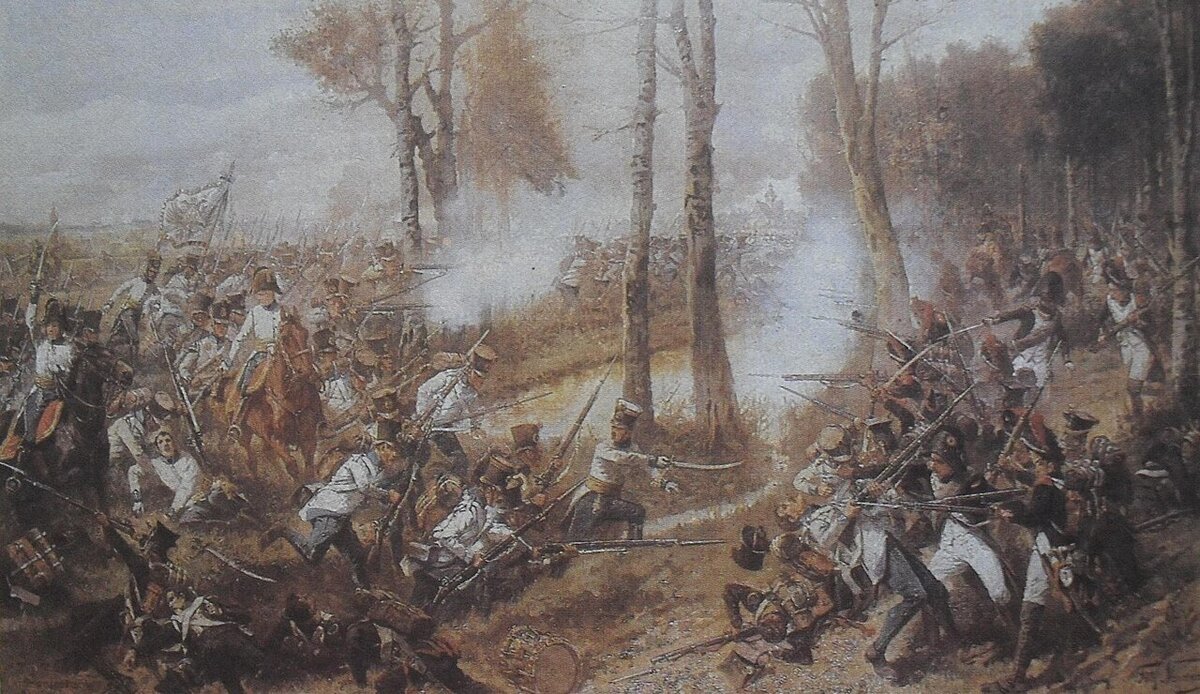
The charge of the 19th Hungarian infantry regiment in the Battle of Leipzig (1813) againts the FrenchsFritz Neumann, 1850. Public domain. Source

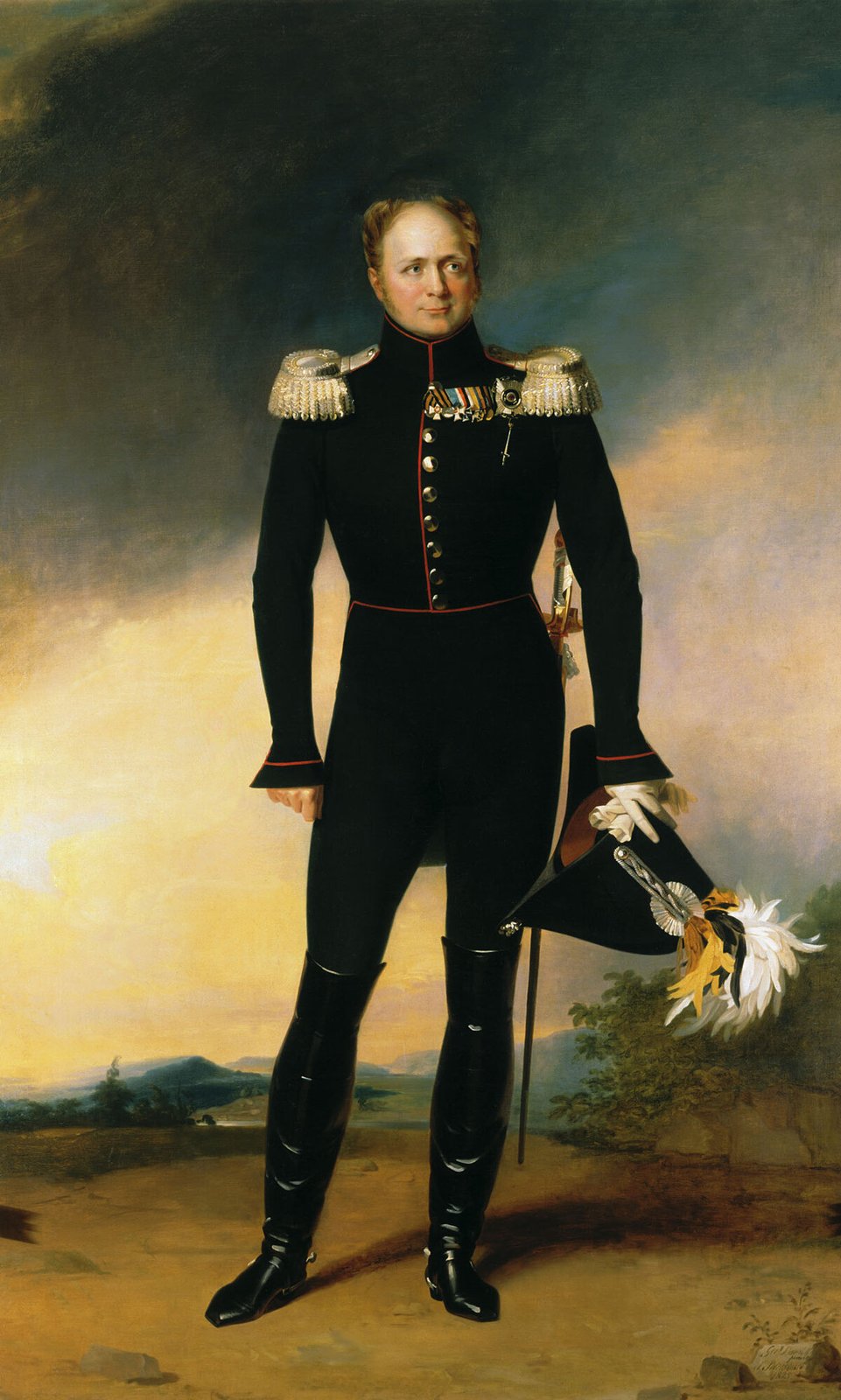
Портрет Царя Освободителя Кисти Джорджа Доу/ Государственный художественно-архитектурный дворцово-парковый музей-заповедник «Петергоф»George Dawe, 1826. Public domain. Source

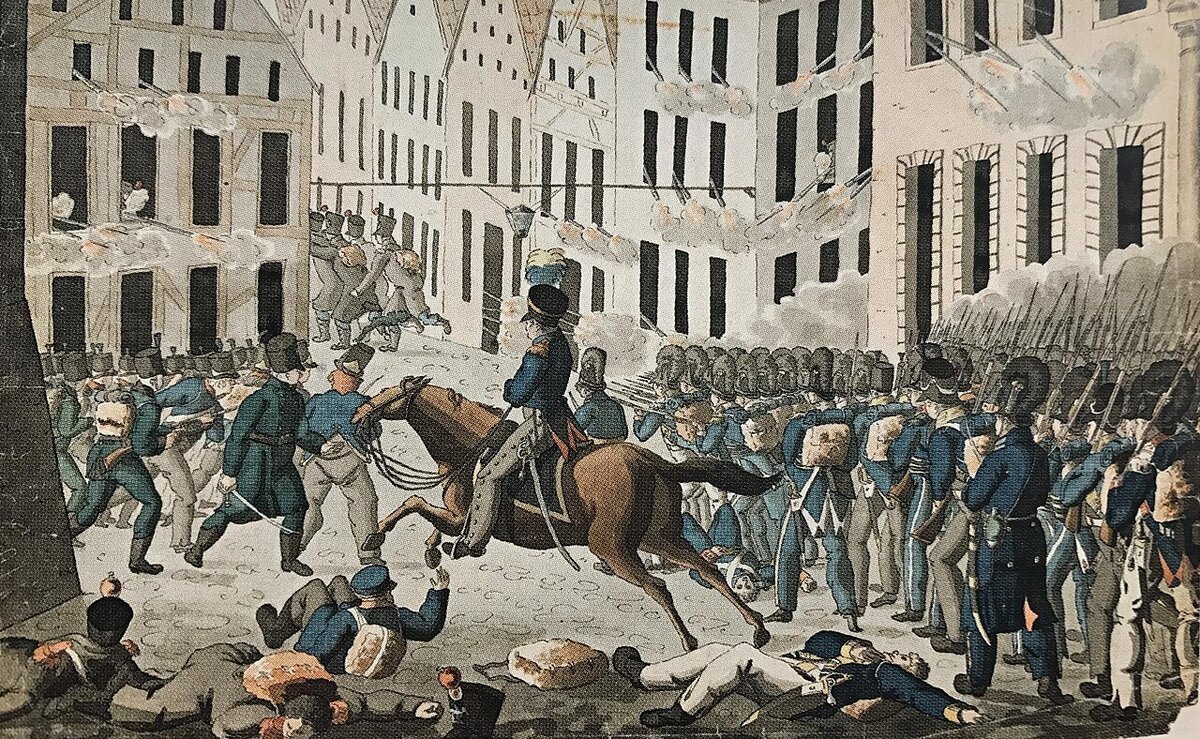
Svenska trupper stormar staden Leipzig år 1813.Carl Johan Ljunggren, 1855. Public domain. Source

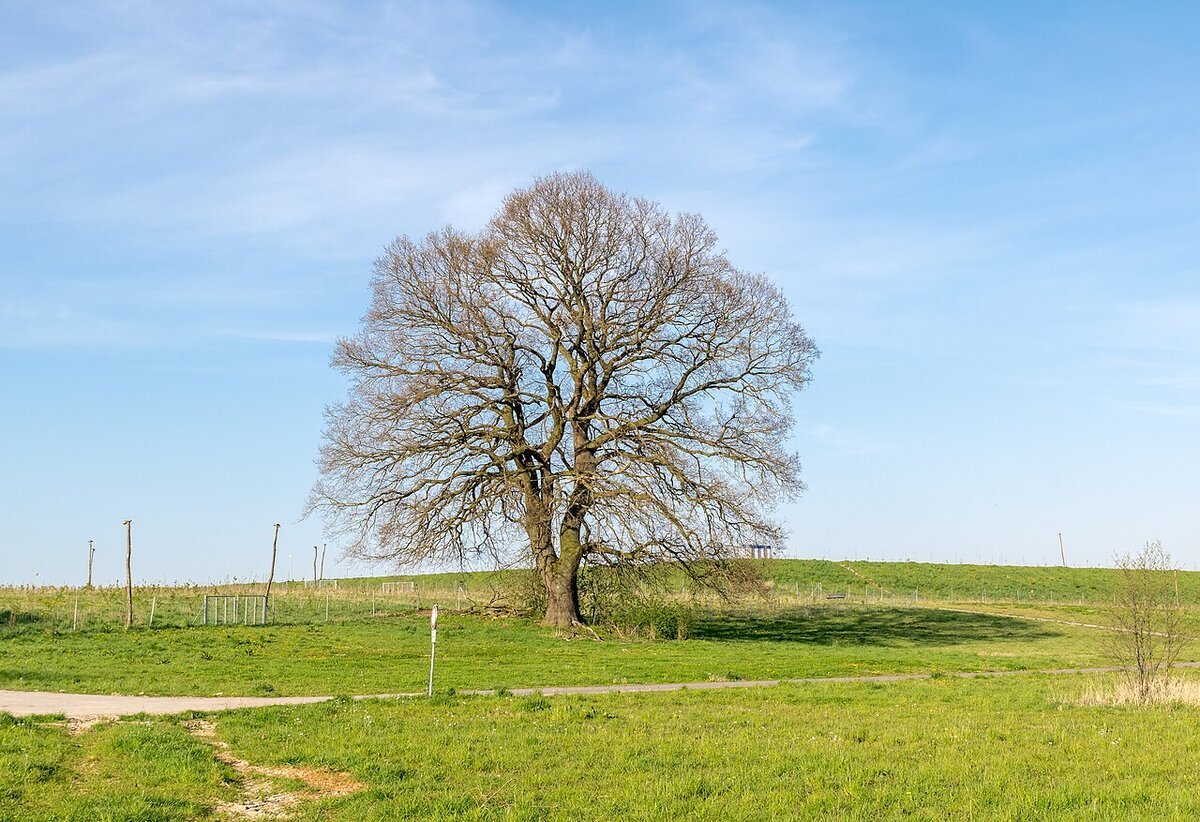
Naturdenkmal 1 Eiche nordöstlich der Kläranlage am Niederbeller Bach in Horn-Bad Meinberg-BelleTsungam, 1806. CC BY-SA 4.0 (share-alike). Source
